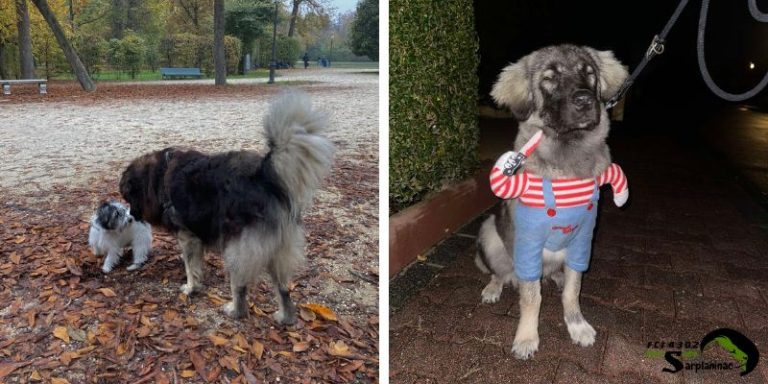
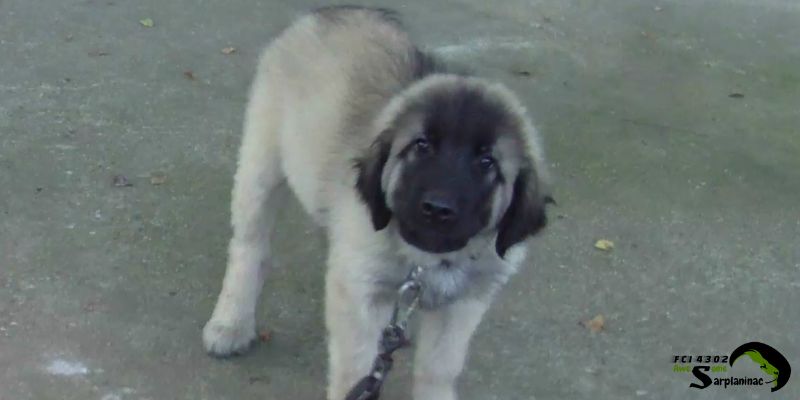

When your dog tilts its head while you speak, it is doing much more than just looking cute. It is actually moving to track your words and watch your face at the same time.
While most owners think it’s just a quirk, this movement is how the dog understands what you are saying.
A study from Eötvös Loránd University, done with Border Collies, found a huge difference in how they process these sounds. Gifted dogs (those that can learn dozens of toy names) tilt their heads 43% of the time they hear a toy’s name.
Typical dogs do it only 2% of the time!
Why Dogs Tilt Their Heads to Hear Better?
A dog’s ears are like high-tech radar dishes. When it tilts its head, it is not just a visual move – it is a way to pinpoint where a sound is coming from.
By changing the angle of its head, the dog allows sound waves to reach each ear at slightly different times and heights.
This small change gives its brain the data it needs to map out the distance and location of the person speaking (when you use a high-pitched voice or say a word your pet recognizes).
You will see its ear flaps move or twitch as it tilts its head.

The Science Behind the Tilt: 43% vs 2%
The study of 40 dogs found a huge difference in how pups react to hearing the names of their toys. Research showed that “gifted” dogs – those capable of learning dozens of object names – tilted their heads 43% of the time when they heard a familiar word.
Typical pets, on the other hand, did the same thing only 2% of the time. This suggests the tilt ties directly to the effort of matching a spoken word to a specific image or memory. [1]
Experts believe this happens because the muscles in the middle ear are connected to the part of the brain responsible for facial expressions and head movements.
Clearer Vision
A dog’s muzzle physically blocks the lower part of its field of vision.
Researchers believe this is one reason dogs rely on watching your mouth and facial expressions to understand your intent. When it looks at you straight on, its own nose can get in the way of seeing your lips move.
By tilting the head, the dog shifts its muzzle out of the direct line of sight. This clears the vision and allows a full view of your face.
You can test this by holding your fist against your nose while looking at someone; you will notice how much of their face is hidden until you tilt your head to the side.

Conclusion
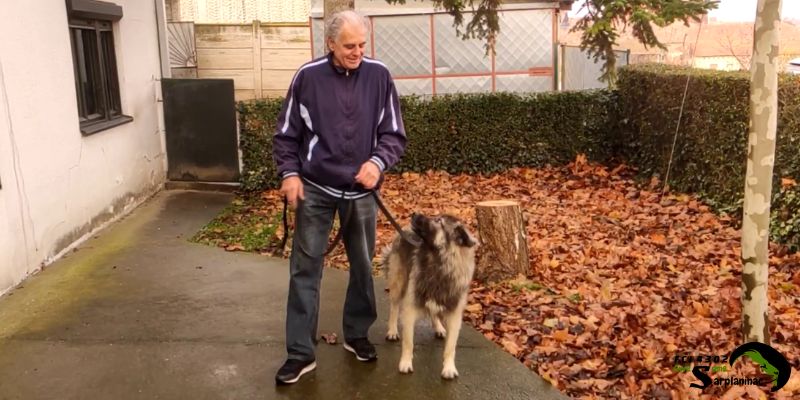
When I want to get the attention of my Sarplaninac dogs and puppies during play, I whistle. The head tilts for a second or two just to find where the sound comes from.
As soon as the puppy or the adult realizes it’s just me whistling, they go right back to whatever they were doing (and don’t pay attention to me).
Maybe next time you catch your pup tilting its head, you’ll give them an extra scratch behind the ears and a “good job, detective”!
Thank you for your time and for reading.
Sources:
- An exploratory analysis of head-tilting in dogs (more information).