

Right Size
Don’t guess. Measure your pet from the base of the neck to the base of the tail and add 2-3 inches. That is the minimum interior length your carrier backpack needs.
Weight matters too, but length is what most owners get wrong, especially with older dogs who no longer curl up into tight balls because it hurts.
Your dog needs enough room to sit upright and lie down without pressing against the backpack walls.
A too-tight dog carrier backpack on a dog with hip dysplasia can cause bumps on the trail to press into the joint.
Floor Padding Makes a Real Difference
Many dog carrier backpacks come with a relatively thin liner over a rigid base.
The rigid base with little or no padding can make every step more noticeable to a dog with sore hips, elbows, or other joint problems.
Memory foam is often one of the most comfortable options for senior dogs.
You don’t need a specialty insert. A 1-inch memory foam sheet cut to fit the backpack base works well.
Place it under the original liner to keep it from moving.
Padding won’t solve health problems, but it can make carrier rides much more comfortable for older dogs.
- Memory foam (1–1.5 inches): solid support, holds shape longer than towels or generic inserts.
- Orthopedic pet cushion inserts: ready-cut, easier to swap and wash.
- Rolled towels or blankets: can work temporarily, but usually provide less support than foam-based padding.
Forget the Dog Collar (Use a Harness)
Inside the carrier backpack, your dog is secured with an interior tether clip.
If that clip is attached to a collar and the pet moves suddenly, or the backpack tilts, much of that force is applied to the dog’s neck and trachea.
For senior dogs, especially small breeds already prone to tracheal collapse, this poses a real risk of injury.
Vets routinely recommend harnesses over collars for dogs with tracheal problems because they spread the load across the chest and shoulders.
Poor Ventilation Is a Real Problem
Many senior dogs are more sensitive to heat than younger ones. In the backpack with poor airflow, heat builds up quickly, especially on warm days or long walks.
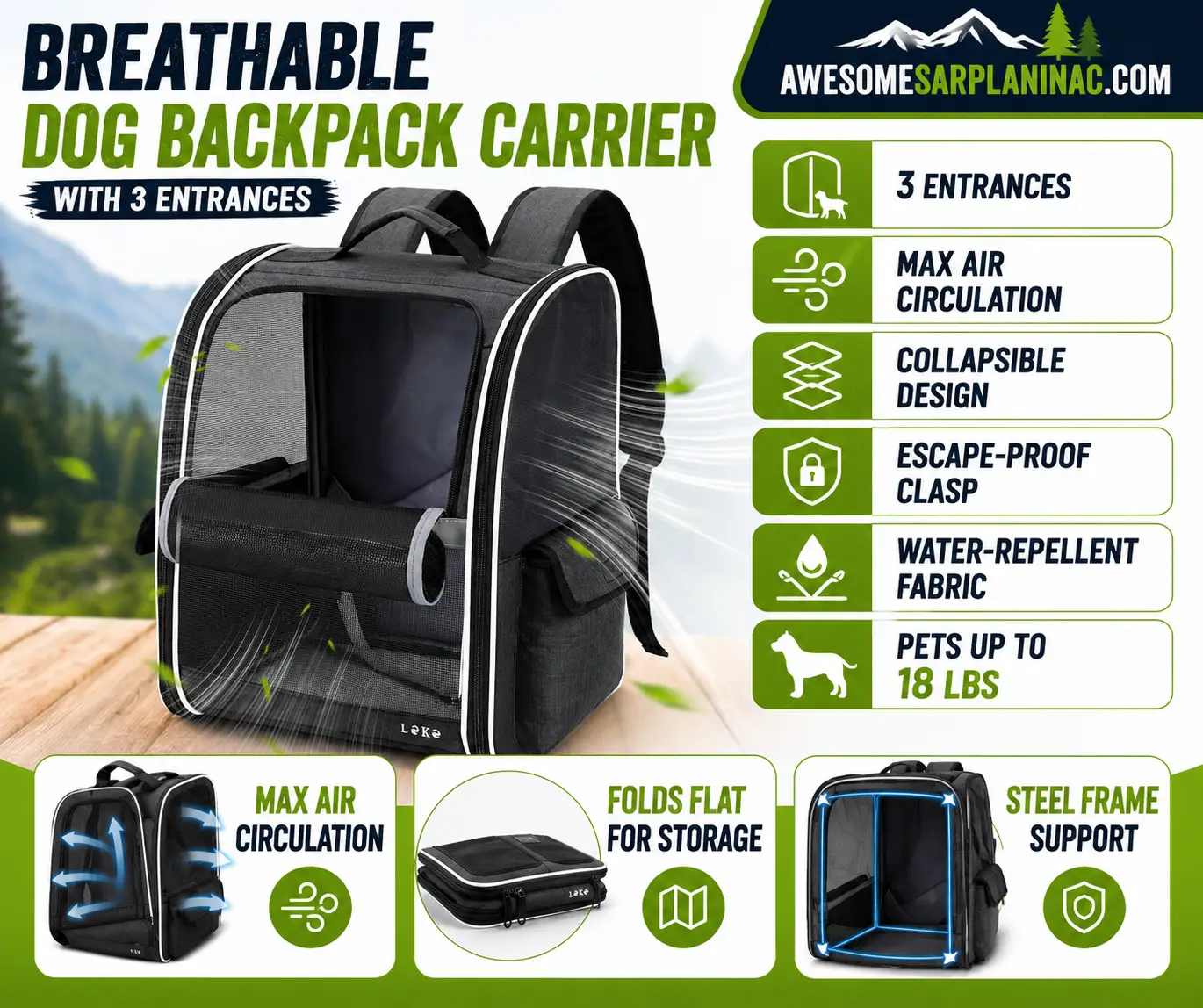
Dog carriers with mesh panels on several sides usually allow better airflow. Front-only mesh may not keep air moving since the back panel stays pressed against your body the whole time.
Here are a few factors that can worsen ventilation beyond what appears on the product page:
- The side of the dog carrier against your back receives the least airflow, regardless of panel design.
- Overpacking the carrier with blankets or inserts takes up space air needs.
- Dark-colored carriers get warmer than light-colored ones in direct sunlight.
Watch for excessive panting or restlessness during the walk. In warm weather, poor airflow is one possible reason – but an uncomfortable fit or an anxious dog can look exactly the same.
Strap Fit Affects Your Dog Too
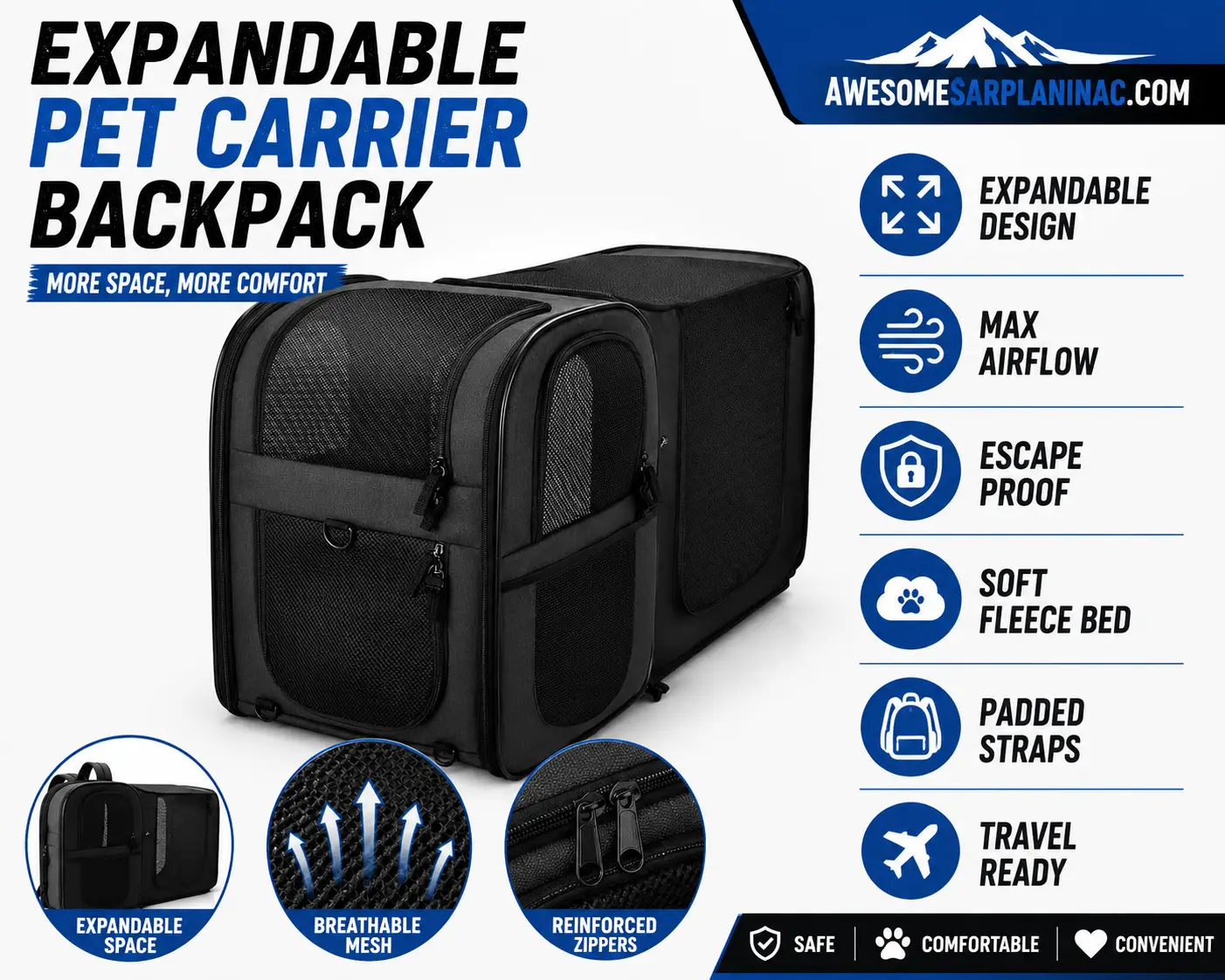
The dog carrier backpack that sways because the shoulder straps are too loose causes the dog to keep changing position to maintain balance.
On soft-sided dog carrier backpacks, over-tightening the straps can compress the walls inward, pressing against your dog’s sides.
The goal is a snug fit against your back – not a squeezed one.
The backpack should sit securely against your back without moving much when you walk. Check the fit after a few minutes because some backpacks settle once fully loaded.
Take Regular Breaks on Longer Trips
Even in a well-sized carrier, your dog has less room to move and stretch than they would during a normal walk.
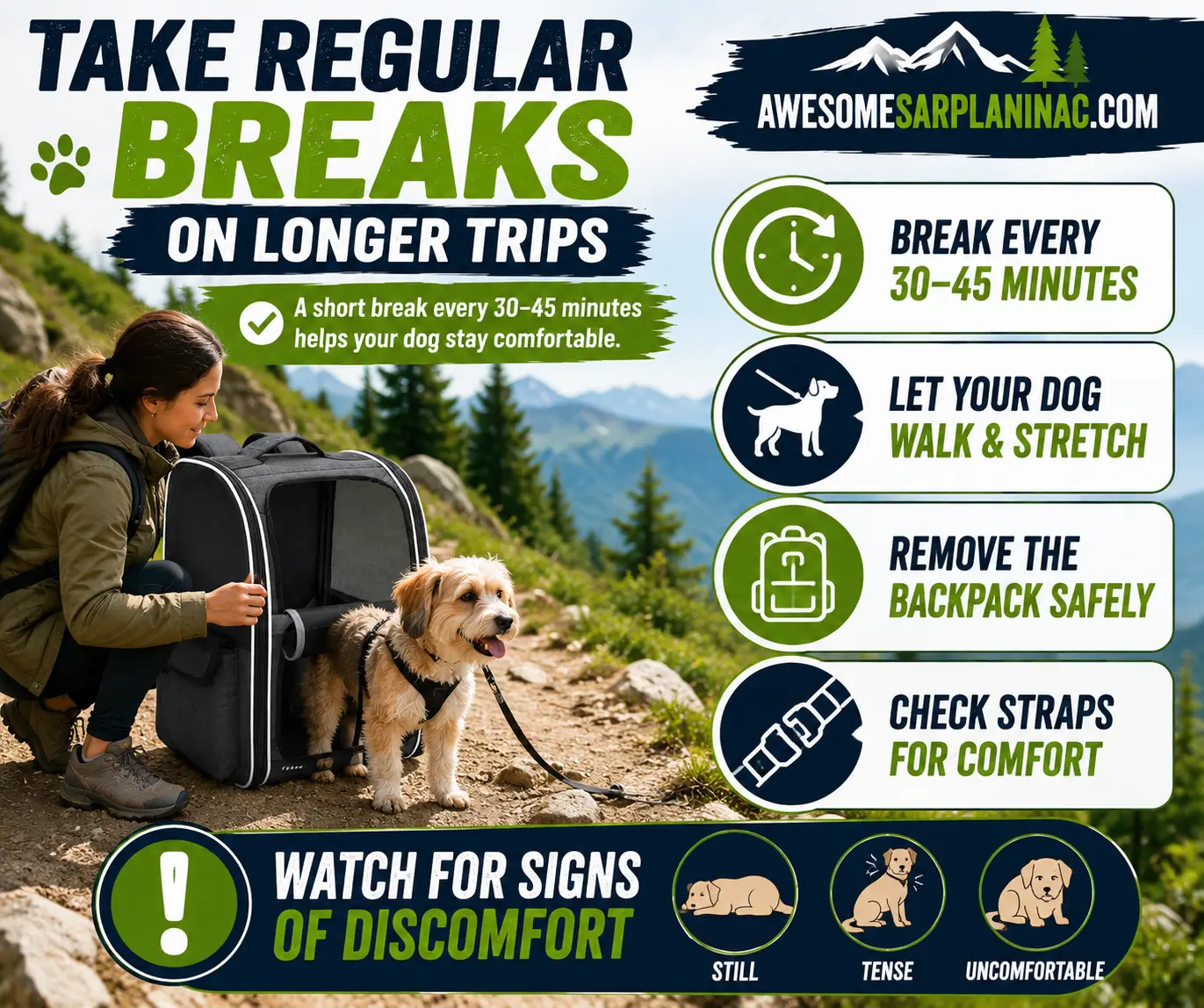
On longer outings, most owners find that a short break every 30–45 minutes works well, especially on uneven terrain.
Take the backpack off, set it down, open the door, and let the dog walk and stretch on a leash for a few minutes before you continue.
Older dogs don’t always let you know when something is bothering them. If your dog suddenly becomes very still, seems tense, or appears uncomfortable, it’s worth stopping to check the straps and taking a short break.
Introduce the Dog Carrier Backpack Slowly
The senior dog that’s never been in a carrier backpack needs time to get used to it. Don’t put it on and head out on day one.
- Days 1–2: Place the open backpack on the floor and put treats inside. Allow your dog to explore it.
- Days 3–4: Gently place the pet inside with the door open. Allow them to sit for a minute, reward with treats, and then lift them out.
- Days 5–6: Close the backpack door for two to three minutes while your dog is inside. Remain in the room during this time.
- Day 7 and beyond: Take short walks around the block.
Proceed to the next step only when your pet appears comfortable with the current stage.
Check for Skin Irritation After the First Few Trips
Skin irritation may not be obvious on the first outing and can appear after a few trips.
On some carrier backpacks, side mesh panels or interior seams can put pressure on the armpits or chest while moving.
Check under both front legs after the first few outings. Redness, missing fur, or irritated skin may mean something inside the backpack is bothering the pet.
If you notice redness or irritation, a pet-safe balm or a soft fabric cover can make your dog more comfortable.
When the Backpack Carrier Isn’t the Right Call
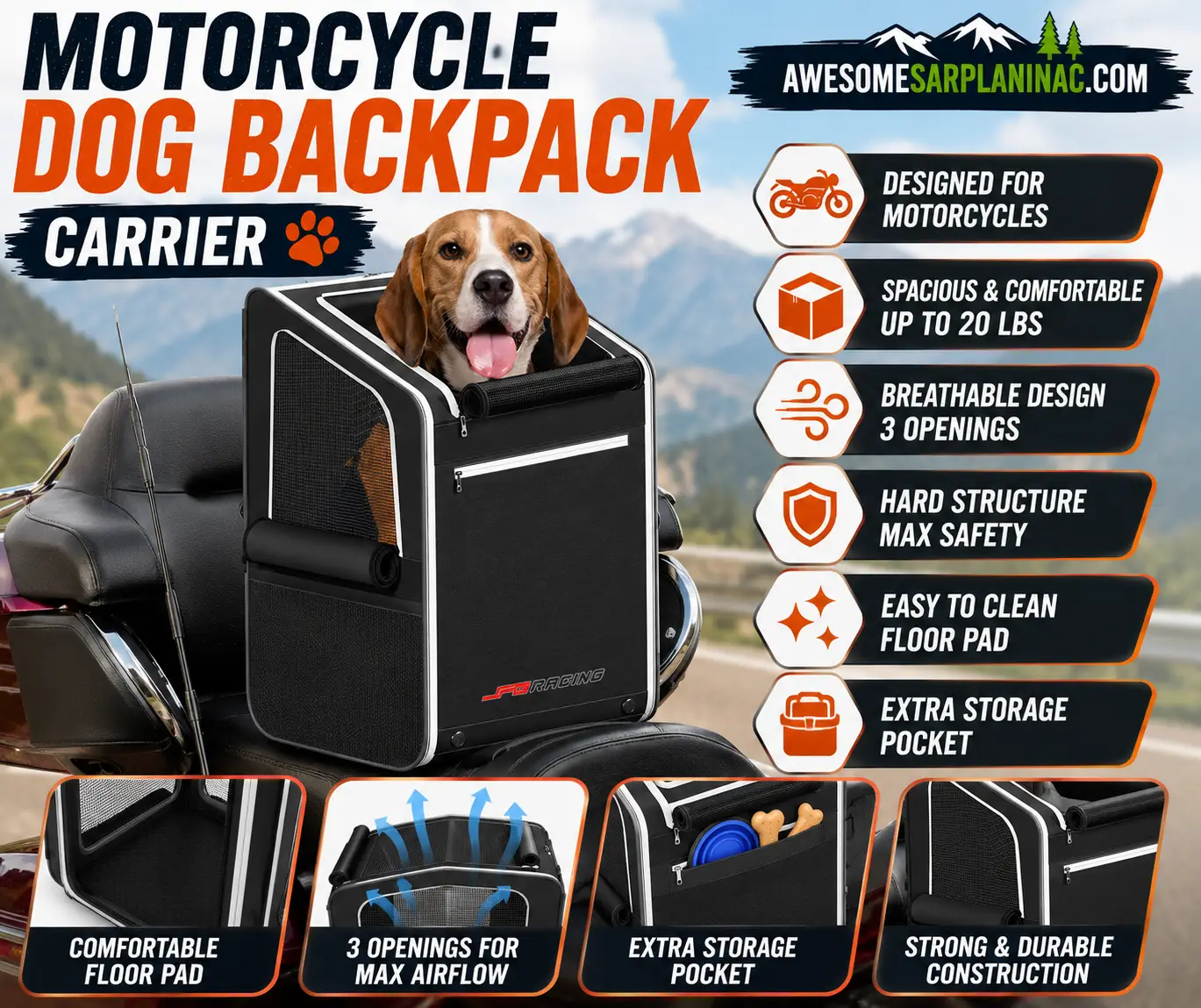
For some senior dogs, the carrier backpack may no longer be the most comfortable option, regardless of how well you set it up:
- Dogs with severe hip dysplasia or spinal issues – a wheeled carrier is a good choice.
- Dogs weighing 25–30 lbs – many owners find carrier backpacks less practical for longer outings.
- Dogs that won’t stop trying to climb out – some pets simply feel more comfortable in a different type of carrier.


