


Humping creates immediate friction between a handler and the dog.
Choosing a human target instead of a favorite toy proves that the usual distractions don’t work.
Seeking affection or physical contact often triggers the behavior. High excitement and hidden stress drive the habit.
Identifying the exact trigger is the only way to stop it.
It’s Playtime! Let’s Have Fun with Our Pups
Playtime often triggers high-energy outbursts that lead to humping.
Intense excitement during greetings or play causes the dog to lose self-control.
Young dogs frequently lack the maturity to channel adrenaline into controlled behavior.
Targeting the owner rather than a toy happens because the human drives the interaction.
Setting clear boundaries prevents over-arousal from turning play into an unwanted habit.
Firm redirection signals that the interaction is over.

Humping and Other Dogs’ Scents”
Detecting the scent of other dogs on your clothes often triggers immediate arousal.
Foreign scents often trigger territorial instincts, driving the dog to hump the owner.
Sexual frustration also drives the behavior, especially when a male cannot reach a female in heat.
This biological pressure redirects his energy onto the owner or nearby objects.
Learned Dog Behavior
Humping becomes a learned habit when it gains the owner’s attention.
Owners unintentionally reward humping by reacting – even pushing or talking to the dog reinforces the act.
Redirect the dog’s attention to a sit or down command immediately.
Giving them a “different job” breaks the pattern.

Poor Socialization or Lack of Discipline?
Unsocialized dogs lack spatial boundaries, especially when missing the 5-to-12-week window
Without early training, stress and arousal trigger humping.
Enforcing discipline corrects these gaps later in life.
Controlled exposure to new environments enforces proper dog behavior.

Medical Issue
I am not a veterinarian, but my research suggests the underlying issue could be a hormonal imbalance or a urinary tract infection.
Physical discomfort or internal irritation drives the dog to hump for relief.
A vet exam will confirm these physical triggers. Rule out medical issues before applying behavioral corrections.

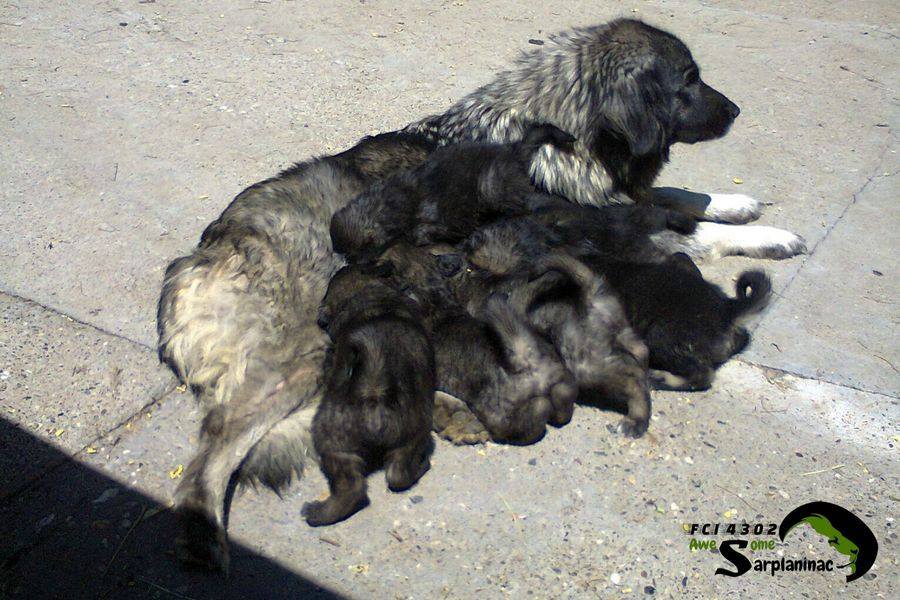
My Experience with Sarplaninac Dogs
Honestly, I don’t have this problem with my dogs because I establish clear rules of the game.
Puppies are an exception; they are allowed to explore and play in ways that may not be acceptable for adult dogs.
This includes humping, which is normal as puppies test boundaries.
On the other hand, they are the cutest and most playful then.

4 Tips to Stop Dog Humping
- Provide exercise and mental stimulation – Boredom and pent-up energy drive humping. Daily physical activity “burns off tension” before it becomes a habit.
- Correct the behavior with “no” or “stop” – Interrupt the action immediately with a firm command and lead the dog away.
- Neuter or spay your dog – Neutering or spaying reduces the hormones that drive the behavior. Treat surgery as a last option when training and discipline fail.
- Avoid physical punishment – Punishment causes anxiety and fear, which can make the problem worse. Focus on redirecting their energy to a more appropriate activity instead.
Conclusion
Humping expresses arousal, stress, or physical discomfort beyond sexual drive.
Dogs across all ages hump to release tension or test boundaries.
Track humping frequency to separate medical triggers from behavioral issues.
Consistent rules and clear leadership prevent occasional habits from becoming permanent problems.
Patience combined with discipline ensures that your dog develops into a stable and well-behaved companion.


