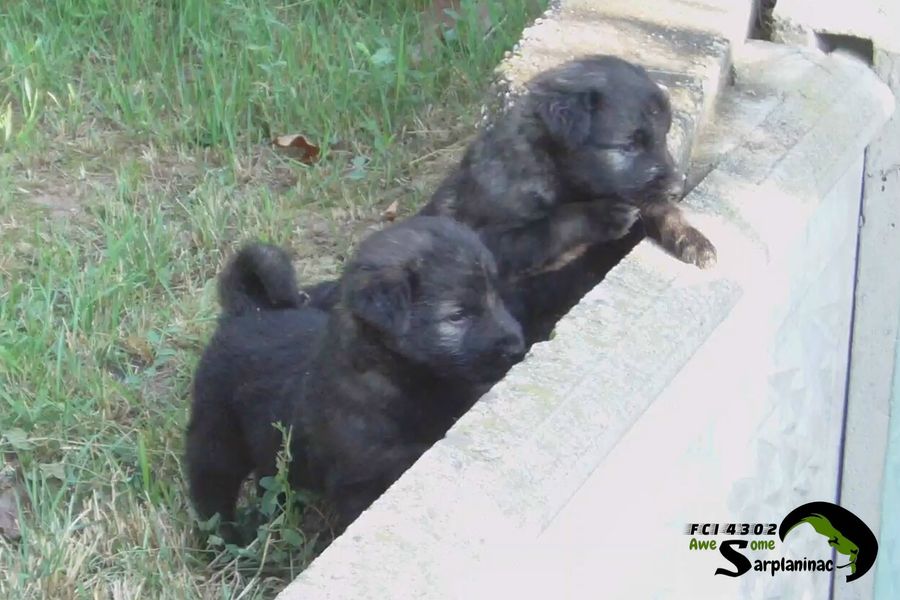

Bringing a Sarplaninac puppy home isn’t like bringing home any other dog.
You are welcoming a future guardian who is already thinking for himself.
You shouldn’t expect him to just fit into your routine right away (he needs to learn to trust you first).
The first days are about more than just training; they are about setting the rules.
Here are some points that might surprise you about those first steps …

Puppy is Coming …
The car ride is often their first big stress.
The Sarplaninac is used to stable ground, so the bumps and curves of a car ride can easily unsettle them or lead to vomiting.
Your main job isn’t to train him yet – it’s to make him feel secure. These pups need to feel they can rely on you from the moment they leave the kennel.
Don’t worry about a little mess or ‘accidents’ in the house; focus on letting him explore his new territory at his own pace.
You probably have a head full of advice from the breeder or vet.
Trust that knowledge – it is far more valuable than any generic guide you’ll find online.
Home Sweet Home
The Sarplaninac is a natural guardian, and even as a puppy, his first hours at home are his first ‘patrol.’
Let him investigate every corner of the house and yard at his own pace (he needs to map out his new territory to feel secure).
When meeting the family, do it one person at a time. This breed values calm introductions; being crowded by too many new faces at once can make them wary rather than friendly.
Wait until he is fully comfortable with the layout of your home before introducing other animals.
Also, keep a strict rule: no outside dogs and no public parks until all vaccines are finished.
Living Space
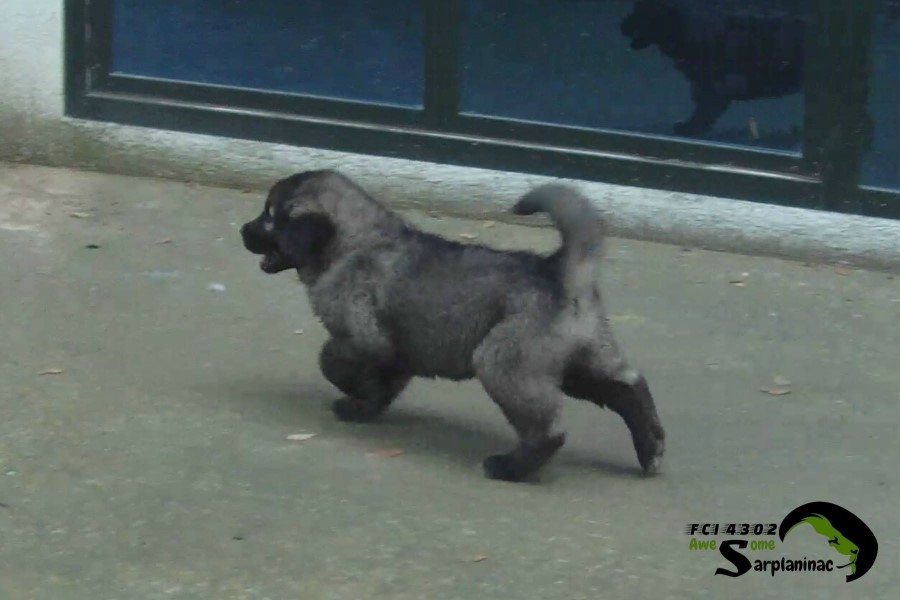
Before the puppy arrives, set up a dedicated spot where he can settle in.
Forget about fancy, ‘cozy’ dog beds – The Sarplaninac prefers a clean, quiet corner with a good view of the room. He is a watcher by nature, and he feels most at ease when he can observe his surroundings.
While he thrives in a house with a yard, he can adapt to apartment living, provided you don’t neglect him.
This breed doesn’t just need space; he needs socialization and your time!
Skip the soft, flimsy toys; his jaw is stronger than you think, and he’ll destroy them in minutes.
Give him something durable to chew on, and remember: even as the puppy, he needs to feel like a part of the family ‘pack’ to stay mentally stable.

House Training
Like all young dogs, the Sarplaninac puppy will quickly learn to respect his ‘den.’ In the beginning, help him out by taking him to the same spot every hour or two (specifically after waking up, playing, or feeding).
Consistency is key. Take him to the same spot every time, and when he does his job, give him clear, calm praise. If an accident happens inside, do not scold him.
Scolding only creates a fearful or reactive dog; instead, stay patient and focus on rewarding the correct behavior.
Focus on building a bond of trust. In these first weeks, your goal isn’t just a clean floor – it’s showing your puppy that you are a reliable leader who rewards the right behavior as he learns the rules of his new territory.
You can teach him basic commands, like ‘Heel’ and ‘Place’, to help him understand the rules of his new home.
Be patient, stay calm and consistent, and reward good behavior with a word of praise.
Feeding time
To ensure a smooth transition, start by feeding the same food your puppy had before coming home.
Any change in diet must be gradual – mixing the old and new food over 7 to 10 days to avoid upsetting his stomach.
But here is the most important rule: the Sarplaninac must grow slowly.
Do not fall into the trap of overfeeding to make him look ‘massive’ early on. Carrying extra weight while his bones and joints are developing is a recipe for lifelong hip and leg issues.
Keep him lean, keep him active, and trust the advice of your breeder or vet over any generic feeding chart. They know the specific needs of this breed’s growth spurts.
Leaving the Puppy Alone
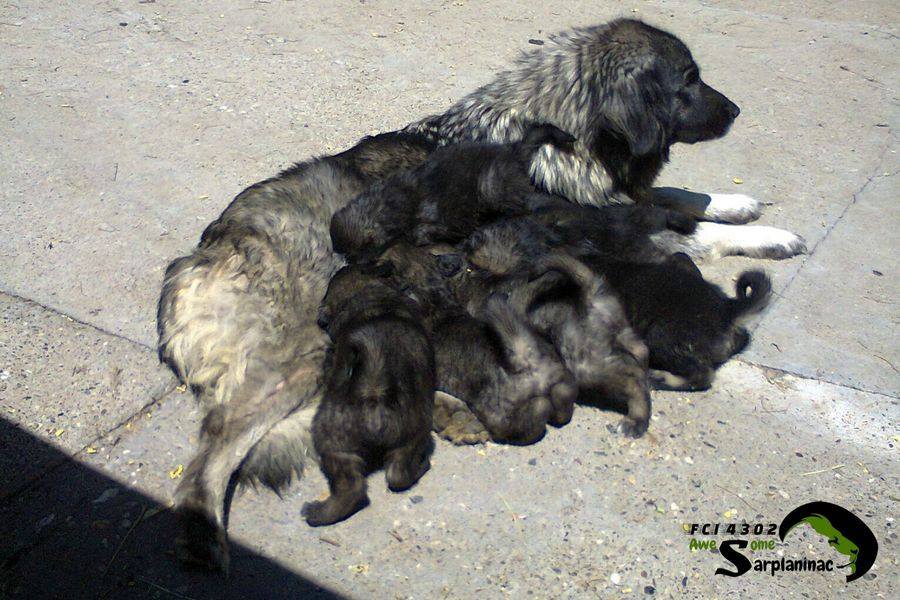
How often will your Sarplaninac be alone? This breed is independent by nature, but that doesn’t mean he should be isolated.
During the first few months, avoid leaving the puppy alone for more than four hours.
It’s not just about ‘accidents’ or his bladder; it’s about his mental development.
The young Sarplaninac left alone for too long, especially in a confined space, can become overly protective or withdrawn. If you have to be away longer, ensure a familiar person checks on him.
Remember, when you are not there, he should feel secure in his space, not abandoned.
He needs to learn that your absence is temporary and that his job is to remain calm until the pack is back together.
Final Word
Bringing a Sarplaninac into your home is a serious commitment. This isn’t just any dog; you are raising a guardian.
Training him doesn’t mean teaching him to fetch a ball or perform repetitive drills like a German Shepherd – if you try to force that, you’ll fail.
The real magic happens the moment you form a true bond. Once that trust is built, a Sarplaninac becomes a part of you. He will be ready to face any danger for his family – be it a predator, an intruder, or any threat that comes your way.
Will he always emerge victorious? Perhaps not. But he will never back down. He is a dog with an immense heart and a natural-born protector.
Respect his nature, and you will have the most loyal companion a human can have.