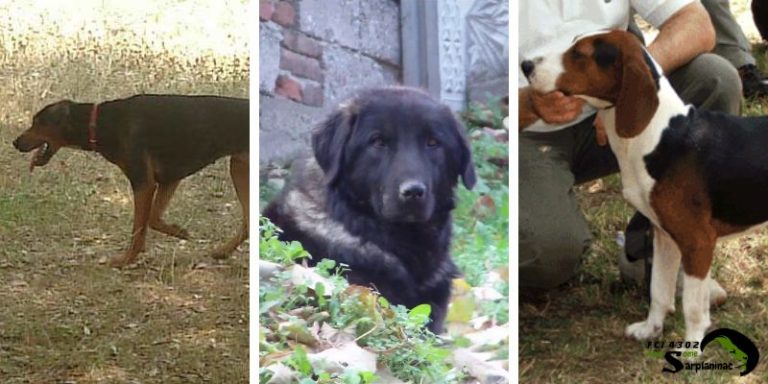


A neighbor’s dog turning your lawn into a public toilet – ruins your grass?
Yellow spots and the smell alone are enough – most people just don’t know what to do about it.
I’ve seen everything from useless home remedies to things that do the job.
Here are 10 practical ways to stop a neighbor’s dog from peeing in your yard.
Talk to Your Neighbor
Before buying anything, try talking to them first. Most neighbors have no idea the dog is leaving yellow patches on your lawn – scrolling their phone while a pet marks your grass.
Just show them the spots. Once they see it, a decent neighbor will start walking the dog somewhere else.
A two-minute chat is a lot better than saying nothing and watching your lawn get ruined.

Quick Tips for a Conflict-Free Chat
Bring a peace offering. It’s hard to get defensive when you’re pointing out damage and being friendly about it.
Talk about the grass, not the dog. Don’t say “your dog is a problem.” Say “the urine is burning this patch right here.”
Have a solution ready. Mention you’re looking into motion-activated sprinklers or natural scent deterrents – so they know you’re not just there to complain.

Set Up a Motion-Activated Sprinkler
If talking doesn’t work, let a blast of water do the job. Motion-activated sprinklers are probably the most effective way to protect your lawn without hurting the dog.
An infrared sensor picks up movement and triggers a sudden spray.
Dogs rarely come back for a second round after cold water and the loud “click-click-click” of the sprinkler head.
Pro Tip: Be careful where you aim the sensor. Too sensitive or pointed at the sidewalk and you’ll end up soaking the mail carrier or random people walking by.

Use Plants That Dogs Hate to Touch
Most dogs look for a soft, easy spot when picking a potty spot. If the edge of your lawn “feels stabby” under their paws, they’ll usually just keep walking.
You don’t need a yard full of cacti. A row of Berberis is usually enough – its tiny thorns are a dog’s paws worst nightmare.
Want something taller and green year round, Holly is a great choice. Prickly leaves, natural barbed-wire, looks a lot better than a “Keep Off” sign.
One-time job, looks good, and nobody knows it’s there to keep the dog out.

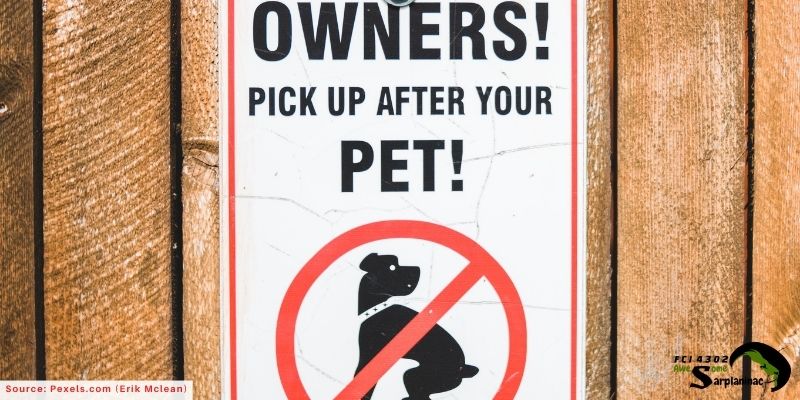
Simple Warning Sign
Let’s be real: a sign isn’t for the dog; it’s for the owner holding the leash.
Most people are on autopilot while walking their pets. The sign is just a quick way to snap them out of it and remind them that someone cares about this patch of grass.
You don’t need a giant ‘KEEP OFF’ board that makes you look like the neighborhood villain.
A small, ‘Please stay off the lawn’ usually does the trick. If that fails, go for the sign that mentions the grass was recently treated or fertilized.
Even if it’s a bluff, most owners will steer their dogs away immediately (nobody wants their pet walking near chemicals).
Keep Your Lawn Safe with a Fence
Sometimes the only way to stop the problem is to put something between the dog and your grass.
You don’t need a massive privacy wall – most dogs aren’t going to jump a fence just to find a place to “do the job”. They want the easiest path possible.
Even a low, decorative garden fence is a clear boundary that forces the owner to keep moving.
It’s the most expensive option on this list, but it’s also the only one that works 24/7 without refilling spray bottles or checking sensors.
Neutralize the Spots You Missed
Even with a fence or sprinkler, the dog might still get through. When that happens, don’t wait.
Dog urine is full of nitrogen – a little is fine for grass, but the concentrated amount in a pee spot is enough to “burn it” right down to the root.
Don’t just spray it with a hose and hope for the best. Use an enzyme-based neutralizer to break down the salts and acids that destroy the roots.
This isn’t just about the smell. Getting rid of the scent breaks the marking cycle that tells the next dog your yard is not the right place for “territory marking”.
Use an Ultrasonic Deterrent
For a boundary that stays completely invisible, an ultrasonic device is a solid option.
These gadgets use motion sensors to catch the dog entering your yard and trigger a high-frequency noise that bothers them but you can’t hear.
The goal isn’t to hurt the animal; you’re just making your lawn an unpleasant place to hang around.
Most dogs feel the ‘pressure’ of the sound and instinctively head for a quieter spot. No chemicals, no fences, works 24/7 – one of the easiest set it and forget it solutions out there.
Just position the sensor at the dog’s head height. One bush in the way and the whole thing is useless.
Give the Dog Its Own Spot
If you have that one neighbor who just won’t listen, sometimes the easiest move is to stop fighting for every inch of grass.
Instead of trying to keep the dog off your entire property, set aside a small “sacrificial” area right by the sidewalk.
Fill it with gravel or mulch and add a decorative pee post – that sends a clear message: you can go here, but nowhere else.
You’re giving up a small area by the sidewalk to save the rest of your lawn.

Use Scents Dogs Actually Hate (Without Ruining Your Grass)
Most people suggest lavender or rosemary, but dogs don’t mind those smells at all.
To use smell as a real deterrent, you need something that irritates their nose. Citrus and coffee grounds are your best options.
Stay away from vinegar. It’ll ruin your lawn faster than the dogs will.
Scatter dried orange peels or used coffee grounds along your property line instead. Once the dog smells it, they’ll keep moving in search of a more neutral spot.

Bonus Tip: The “Manual” Sprinkler Method
If you’re outside and see the dog on your lawn, a simple squirt from a spray bottle or garden hose is all you need.
You’re not trying to get them wet – just give them a reason to leave.
Most dogs don’t like water coming out of nowhere. Do it a few times and they’ll start avoiding your yard on their own.
No chemicals, no expensive gadgets.

How I Deal With It in My Own Yard
I’ll be honest – my yard is better protected than most. Between a solid hedge, a concrete fence, and my Sarplaninac dogs who don’t take kindly to trespassers, most neighborhood dogs know better than to come near.
But even with all that, things happen. If the dog started marking my lawn, first move is a friendly chat – neighbor to neighbor. If that failed, the fence or motion-activated sprinkler would be next.
No drama needed, just stick with what works.
Conclusion
Dealing with neighbor dogs isn’t about starting a feud – it’s about setting a clear boundary and sticking to it.
Talk to your neighbor first.
If that goes nowhere, choose one of these options.
Give the dog one good reason to skip your yard and they’ll move on to the next one.