
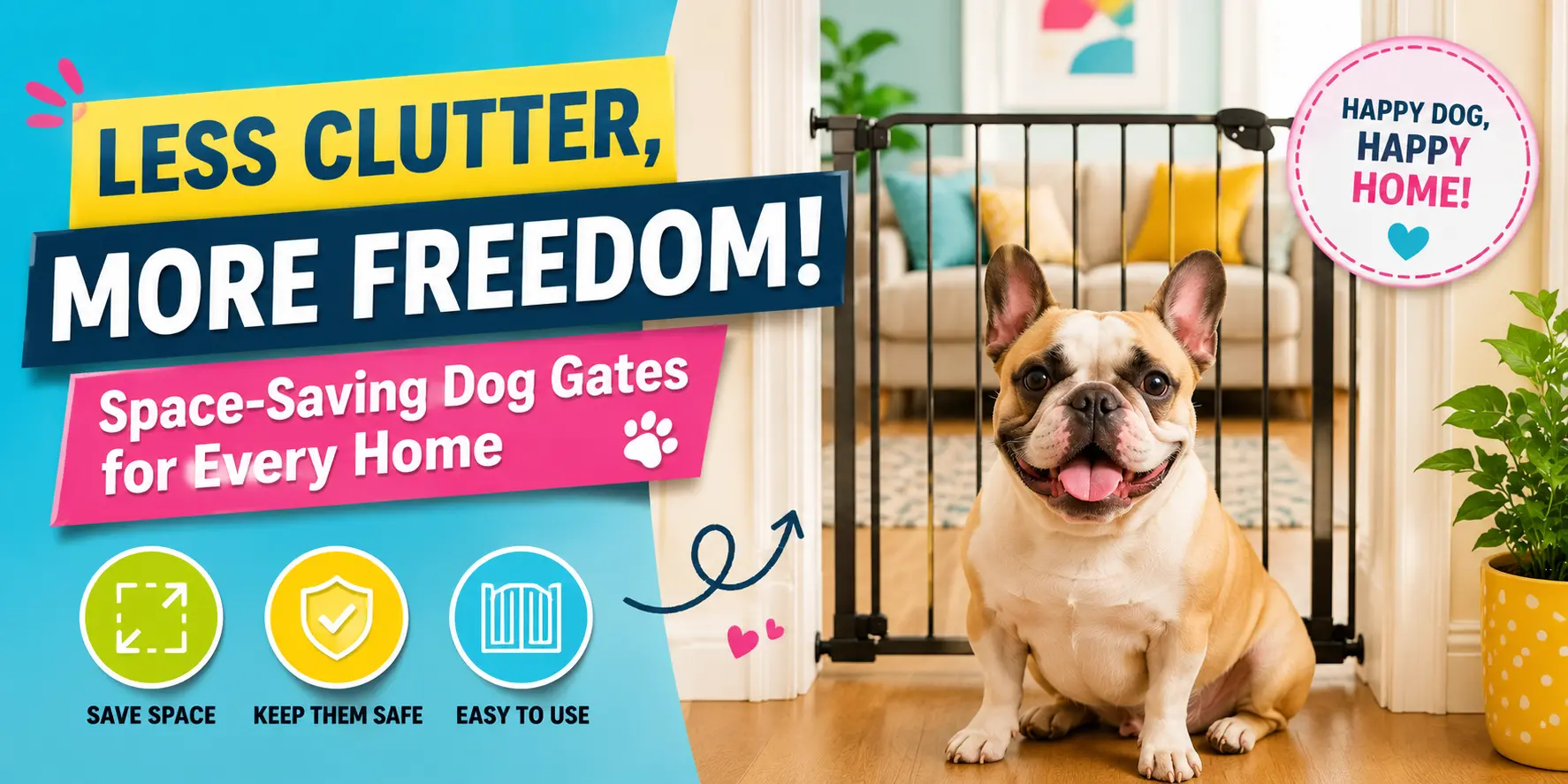

Small apartments don’t leave much free space between rooms, so wide dog gates can quickly get in the way.
Large gate panels can block part of a hallway entrance, stick out into walkways, or take up space between the kitchen and living area.
Studio apartments often keep the kitchen and living area open, so the gate remains part of the room instead of sitting inside a separate doorway.
Retractable models roll back against the wall after opening. Pressure-mounted versions fit narrow doorways without extending far into the walkway.
Wider openings often need extension panels rather than a single extra-wide model.
Dog Gate Type | Width Range | Common Use | Space Used Indoors | Drilling Needed |
|---|---|---|---|---|
Retractable Mesh | 55-72+ inches | Apartments and narrow layouts | Low | Often |
Pressure-Mounted | 28-48 inches | Doorways and kitchens | Low to Medium | No |
Freestanding Folding | 40-80+ inches | Temporary room blocking | High | No |
Narrow Walk-Through | 28-36 inches | Tight hallway openings | Low | No |
Extra Wide With Extensions | 55–100+ inches | Open living areas | Medium | Sometimes |
Why Dog Gates Take Up Space in Apartments
Dog gates can take up more space than expected in smaller apartments.
Wide panels can block small walkways between rooms and leave less space near kitchen entrances, hallway corners, or furniture placed close to the opening.
Door direction also changes how much free space remains after the gate is installed.
Inward-opening doors may not open fully if chairs or cabinets sit too close to the entrance.
Retractable Dog Gates
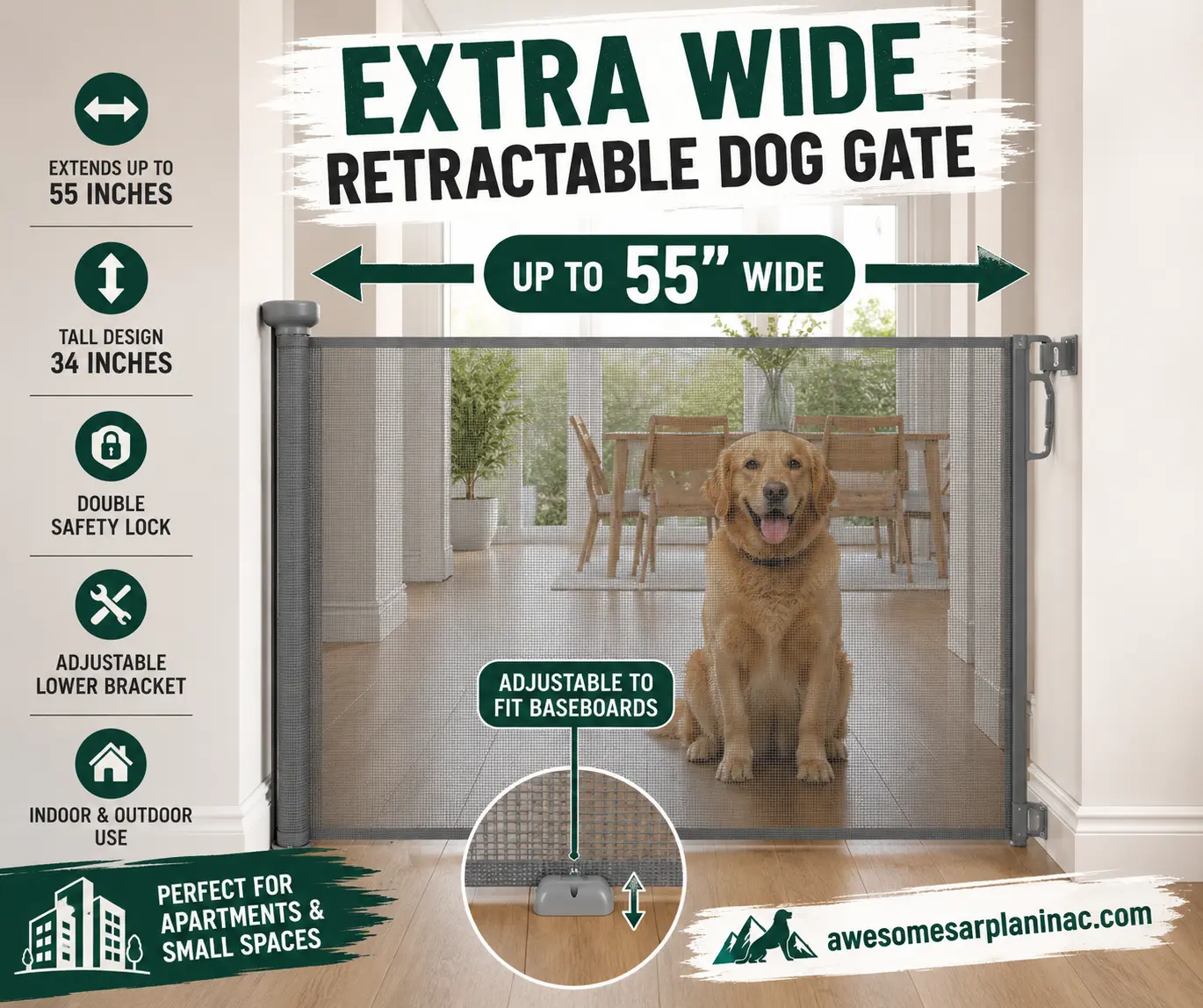
Retractable dog gates use a mesh barrier that rolls into a small side housing when the gate is open. The entrance stays clear instead of leaving a wide panel across the walkway.
That makes a difference in smaller apartments where furniture, hallway paths, and kitchen entrances already take up part of the space.
The room feels more open once the barrier is rolled back. Wider retractable models also fit larger openings without adding several extension panels between rooms.
Pressure-Mounted Dog Gates
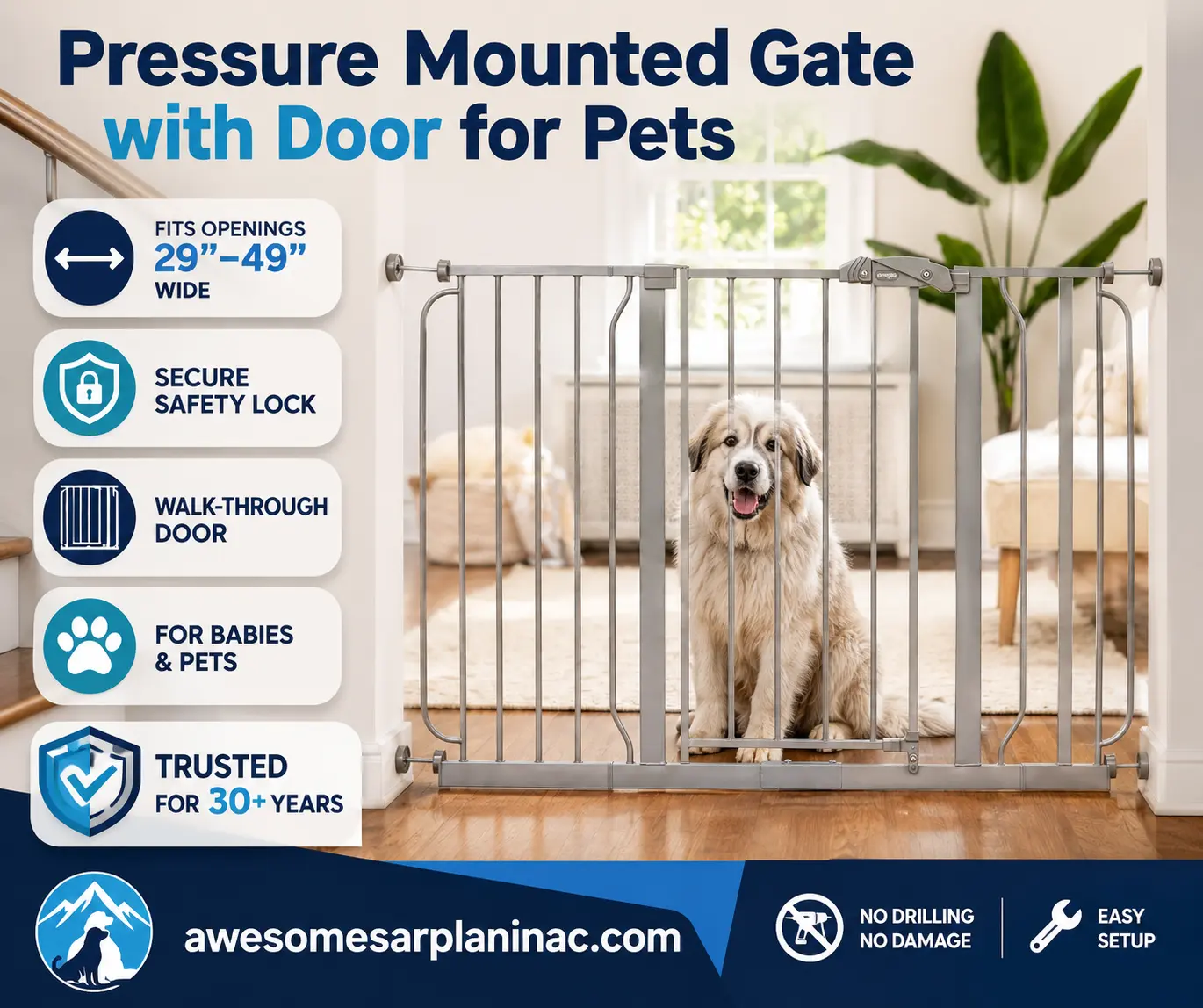
Pressure-mounted gates stay in place by pressing against both sides of the doorway instead of using drilled wall hardware. They appear more often in rental apartments.
Large gate frames can make narrow doorways or short hallway entrances feel even tighter.
Pressure-mounted models fit these areas better because the frame sits inside the opening without extra wall hardware around the sides.
The gate can also be removed and placed in another doorway.
Freestanding Gates and Floor Space
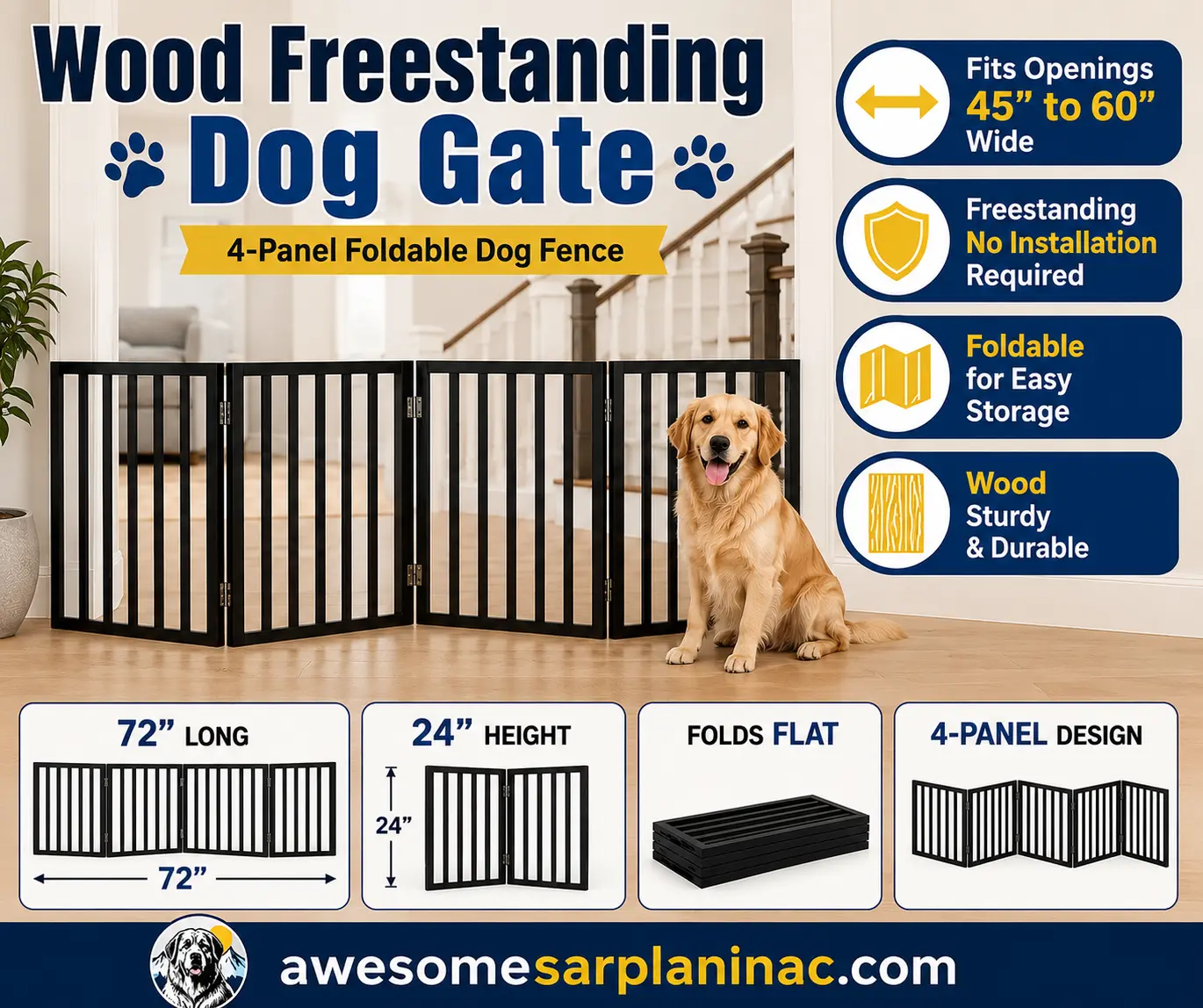
Freestanding dog gates move between rooms more easily because they do not attach to walls or door frames.
Folding panels also take less room when the gate is stored against a wall or moved aside.
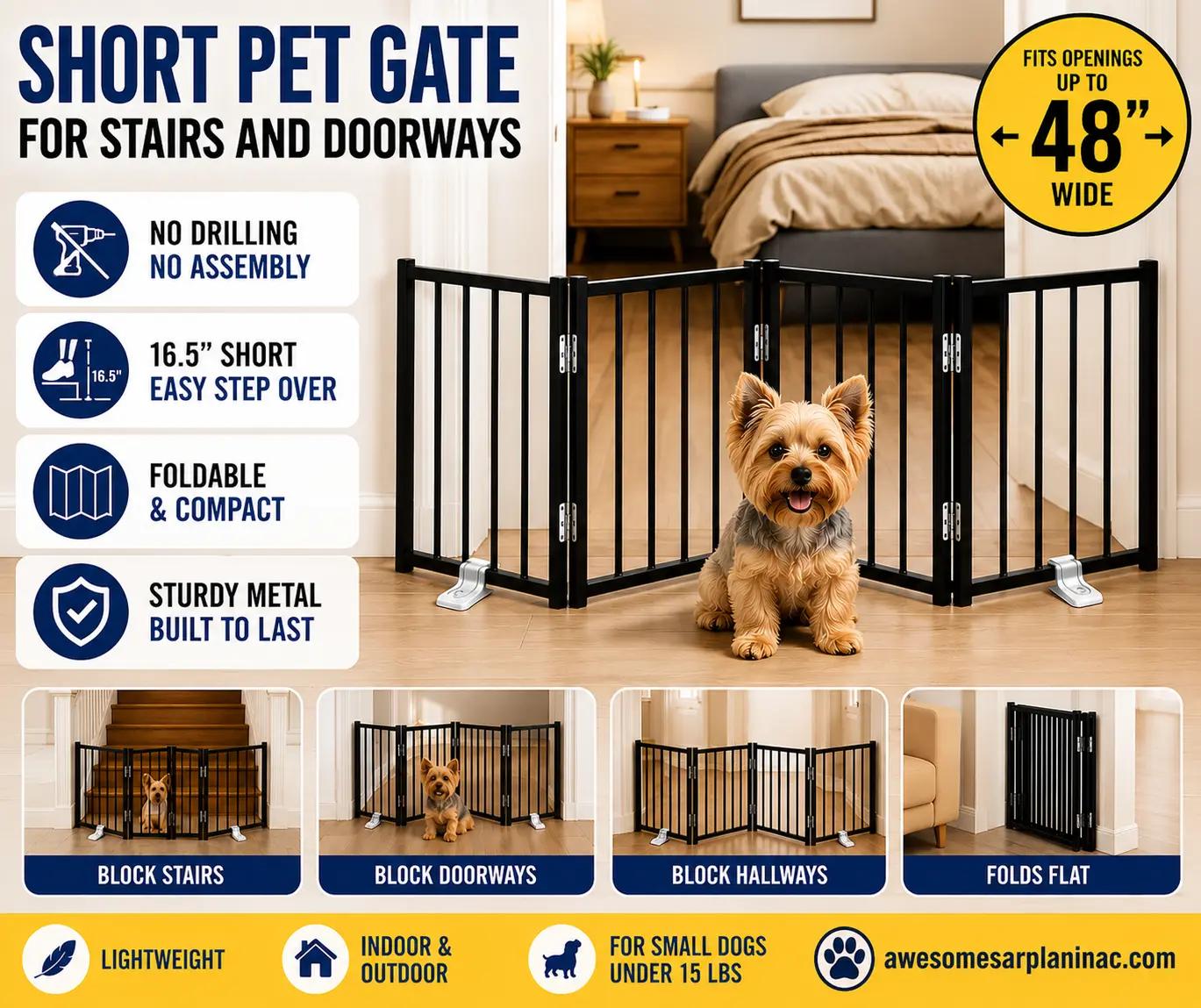
Many models use accordion-style sections that collapse inward instead of staying fully extended.
Support legs and folding sections take part of the walking area near hallways, sofas, or kitchen entrances. Larger dogs can also push lighter freestanding gates out of position more easily than mounted models.
They appear more often in apartments where wall drilling is not allowed.
Measuring Narrow Openings Before Buying
Measure the opening at the narrowest point first. Baseboards, wall trim, and uneven corners often leave less usable width near the floor than expected.
Check how the door opens before measuring the space. An inward-opening door can leave less room for the gate and make narrow walkways harder to pass through.
Stair edges and uneven walls can also affect the fit. Pressure-mounted gates often fit unevenly when one side reaches a corner, trim edge, or uneven wall surface.
Write down the exact width before comparing models.
Dog Gate Extensions for Open-Plan Apartments
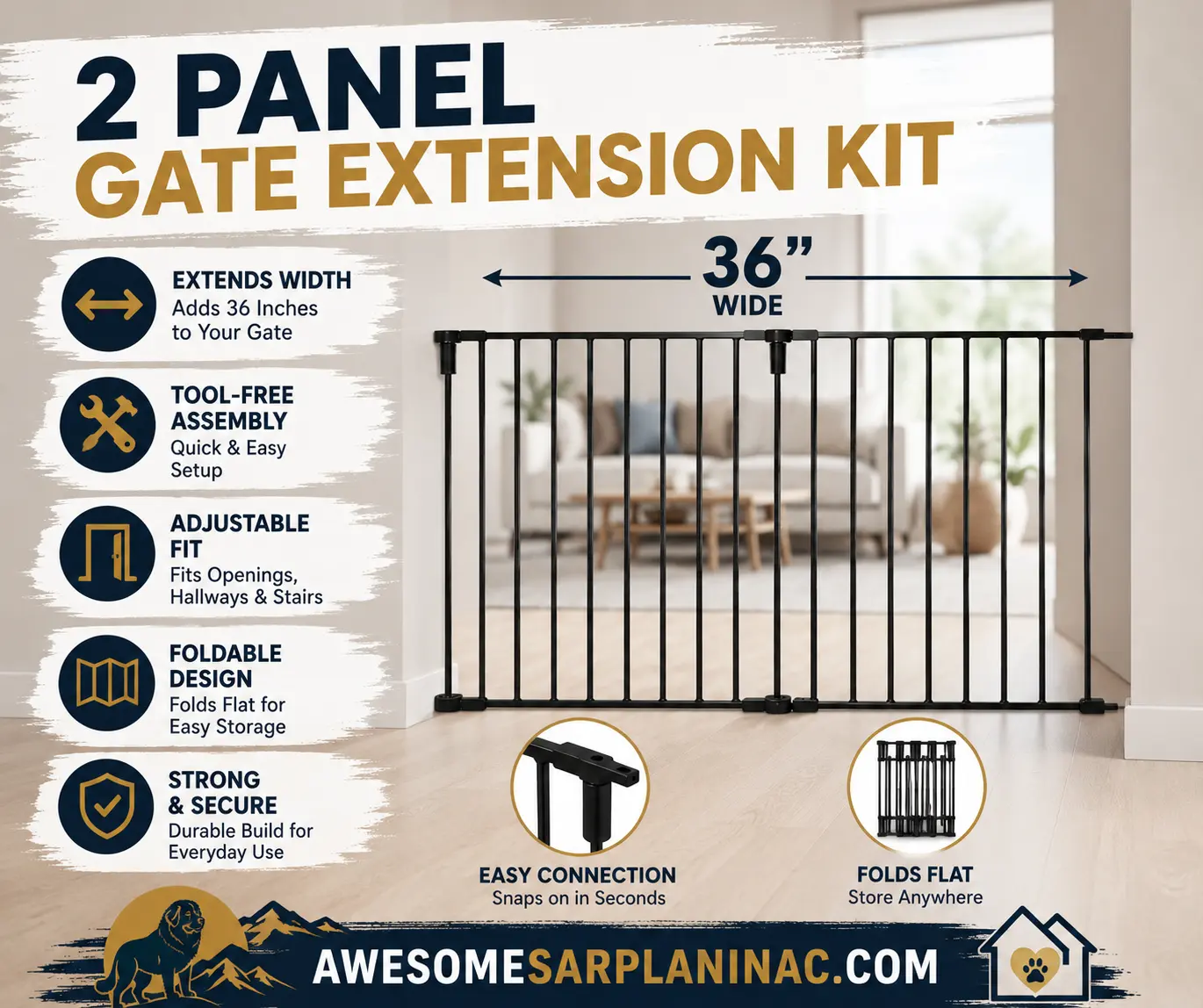
Wide apartment layouts are harder to cover with standard dog gates.
This happens in open-plan rooms, large living room entrances, and wider hallway areas where a basic frame does not reach far enough.
Extension panels close that gap and let the gate cover a larger span.
The main check is the full wall-to-wall width, because the gate frame and the extension pieces need to match the opening before installation.
Key points to check:
- total opening width;
- extension panel compatibility;
- wall-to-wall distance;
- baseboard thickness;
- pressure-mounted or hardware-mounted frame.
Conclusion
Small apartments leave less room for large pet barriers and wide gate frames.
Narrow walkways, open living room entrances, and tight hallway areas need space-saving gates that do not block movement inside the home.
Retractable gates, narrow walk-through frames, and extension panels work better in smaller indoor spaces where standard gates take up too much room.