
Choosing a sleeping spot for your dog depends mostly on his size and coat. If you have a small breed like a Maltese, you’ll probably clear a corner in the bedroom for a soft bed away from cold tile floors and open doors.
For a large dog, especially a guardian breed, a thick mat on a cool floor or a wooden kennel with a raised floor in the yard is much better for his joints and thick coat.
You will spend the first few nights listening to a puppy whine at the crate door or watching the dog try to hog your sofa.
But these are sweet troubles.
Using a Crate at Night
Crates give dogs a secure spot where they can settle down and sleep.
The dog needs a place where slamming doors or other pets won’t disturb him.
Use the crate to keep the puppy from chewing cables or making a mess while you sleep. Put the dog inside for short periods first, and pick a size that allows him to stand up, turn around, and stretch out.
Never use the crate for punishment, or you’ll lose his trust and make him afraid of it.

Choosing a Dog Bed for Joint Support
Many dogs prefer a soft surface, whether in a quiet corner or your bedroom.
A good bed cushions his joints against hard floors and prevents calluses on the elbows.
Thick padding keeps the dog off cold tiles and protects his health.
Avoid thin pads that flatten out immediately; they offer no support for a heavy dog and leave him restless at night.

Finding Dog Sleeping Spot
A quiet corner helps the dog settle down. Keeping the bed in one spot prevents the puppy from wandering and chewing on furniture or shoes.
Choose a pillow large enough for the dog to stretch out fully without touching the floor.
A familiar blanket or putting the pillow inside the crate creates a secure spot where the dog feels safe.

Sharing the Bed: Pros and Cons
Sleeping next to the dog gives warmth and a sense of security at night.
You fall asleep faster and feel calmer with the dog nearby, which lowers stress after a long day.
However, a heavy dog takes up space on your mattress and pants through the night. Snoring, licking paws, or tossing and turning can ruin your sleep.
Letting this happen every night also leads to behavioral issues. Your dog can become overly dependent, triggering separation anxiety if they ever need to sleep in another room or a kennel.

Benefits and Risks of Outdoor Sleeping
Staying outside lets the dog guard your yard and watch for intruders. Open space allows him to move freely without hitting walls or furniture.
Cooler night temperatures help heavy-coated dogs sleep better than in a heated house.
However, leaving the dog outside requires a secure fence to stop him from roaming or chasing cats. Checking for holes under the wire prevents digging out and getting lost.
Sleeping on wet ground or mud stiffens joints. A wooden dog house with a raised floor keeps the dog off cold ground and out of the rain.
Nighttime barking at passersby or stray cats will also disturb your neighbors.

Where My Dogs Sleep
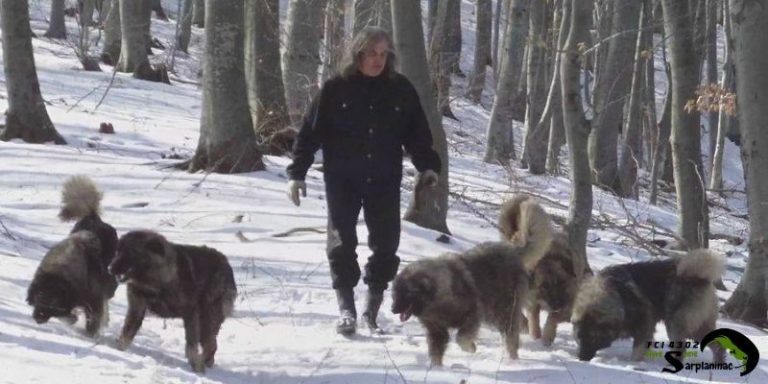
As my champions are sheepdogs, these dogs stay outside to guard the property and move freely.
On the other hand, some of my friends allow their Sarplaninac to choose between the house and the yard. This shows respect for the dog as a family member.
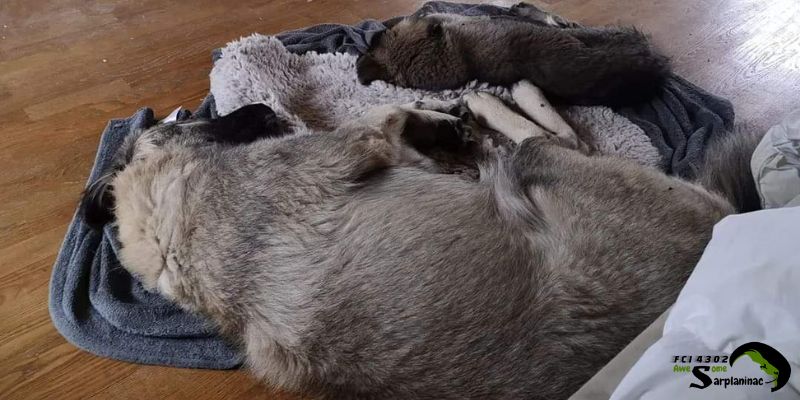
Puppy socialization remains a priority. After training at Trešnjevica, the puppies come to my apartment.
So they won’t just be outside …
Conclusion
My Sarplaninacs stay outdoors to guard the property, but also learn to stay calm inside an apartment.
The goal is a well-balanced dog ready for any environment.
Where does your dog spend the night? Share your experience in the comments below!