


Most owners think a clean dog is a healthy dog, but over-washing can cause more harm than good.
While keeping your pet tidy is important, getting the balance right between grooming and bathing is crucial for their skin health.
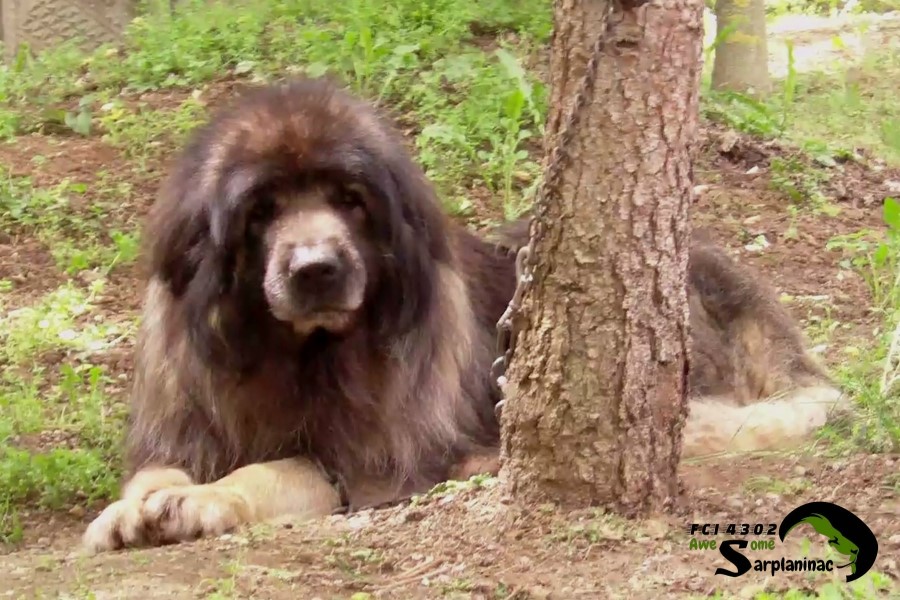
Note: I promote the natural care of Sarplaninac dogs on this website (and personally don’t recommend bathing them frequently), I am aware that owners of other breeds have different needs.

Grooming And Bathing Your Dog
Dog hair can get messy. Keeping your fur child’s coat luscious takes effort.
Once you establish a routine, your little one will be able to look its best. So, if you’re ready to get started?
Here’s what you need to do.
1. Master Preparation
One top tip dog breeders give adopters is preparing all grooming and bathing supplies for the pup in advance.
Gather the following items:
- Dry towels;
- Hair clippers;
- Dog toothbrush;
- Low-calorie treats;
- Magic brush glove;
- Pooch nail grinder;
- A bathtub that fits the pup;
- Dog shampoo and conditioner.
Although low-calorie treats are not strictly necessary, they help keep your dog motivated.

2. Create The Right Atmosphere
Getting your dog in the mood to get cleaned is no easy task. Creating the right atmosphere makes all the difference.
Get your dog used to being touched. A bit of stroking and patting goes a long way along with rewards and praise.
This ensures he stays calm.
Begin with the grooming and bathing slowly. Pat your dog on the shoulders and chest area and make your way towards his legs.
Lift one paw at a time, continuing to touch him gently while offering delicious treats.
This builds trust and makes the actual bath much easier.
3. Get The Washing Done First
Next, thoroughly wash your dog. Whether you have a Golden Retriever, a Poodle, or a Labrador, wash him first.
If there are any tangles, use a brush to work out the knots. Thoroughly wet his coat.
Wash the neck and chest area down to the legs and tail. If you’re using a tub, make sure the drain stays clear so water flows freely.
Once his body is fully wet, apply a hypoallergenic dog shampoo that you’ve patch-tested beforehand to avoid irritation.
You have to clean the undercoat and gently lather the shampoo onto the back and shoulders. Go easy on the shampoo and stay away from his nose, mouth, ears, and eyes.
After you have massaged the shampoo all over the dog’s body, you can quickly start washing it off.
Take your time – rinsing can feel ticklish for the puppy. Keep water out of his ears to prevent infection.
4. Proceed With The Drying
Even though dogs naturally shake off excess water, dry him off thoroughly with a large towel.
Then, let your dog air dry naturally.
Avoid using a hair dryer – most dogs don’t like having hot air blown at them.
If you must use a blow dryer, hold it carefully and never blow warm air directly at his head.
Keep the air warm, never hot, and hold the dryer at a safe distance from his skin.

5. Brush The Teeth
Regular dental care is essential for all dogs, though smaller breeds are often more prone to buildup.
Once you establish a consistent routine, your pup will adapt to it much easier.
At a minimum, aim to brush their teeth three to four times a week.
Otherwise, plaque will quickly build up and turn into stubborn tartar.
6. Brush The Coat
Now, you can get the actual grooming done. You must have treats in hand, speak in a calm tone, and be firm.
Regular brushing keeps the dog coat in good condition by removing loose hair and preventing mats and tangles.
Brushing spreads natural skin oils, creates a shiny coat, and removes dirt.
Regular brushing is the best way to keep the coat clean without using water or soap, which supports the idea that many dogs actually need fewer baths than we assume.
Besides, brushing the coat will strengthen your relationship with the pup.
You can see this in practice in my video below, where my father prepare the Sarplaninac for a dog show.
7. Trim Certain Areas
To make sure that your dog looks amazing, you have to trim certain areas. It would also prevent the need for spending money on full grooming.
Dry trimming is highly recommended. You just have to trim the necessary areas.
The hygienic areas, ears, and face must be maintained. Your pup should have short hair as it would prevent the risk of infection and odors.
Get decent hair clippers to get the job done right the first time around.
Keep in mind that trimming needs depend on the specific breed and coat type.
8. Finish Off With The Nails
Lastly, you have to trim your dog’s nails every few weeks.
Although the dog may not enjoy it, keeping the claws in good condition is essential.
Reward the dog after trimming each nail. Work slowly and carefully.
Cunclusion
Proper grooming and bathing keep the dog clean and well-maintained.
Following each step from preparation to nail trimming ensures the dog stays in good condition.
Depending on the particular breed and coat type, professional grooming may still be required every few months.


