
A nice coat means nothing if the puppy doesn’t have healthy skin underneath.
Watching them scratch shows how a little itch can lead to a real infection. Dry skin isn’t just a small thing, it’s a sign that a dog needs help right away.
Whether the dog lives in the yard or shares an apartment with you, the goal is the same: stop the itch before the skin cracks.
You can forget about expensive lotions and shampoos. Sometimes, just a little bit of olive oil is what helps puppies the most.
Olive Oil for Healthy Skin and Coat
Olive oil helps the puppy grow a healthy coat. It keeps the skin hydrated and saves you money on expensive products from the pet shop.
- Vitamins and Antioxidants: It is rich in vitamin E. This keeps the puppy’s skin moist and stops it from drying out.
- Dry Skin: It clears up the flakes that show up when the puppy sheds his baby coat. It naturally takes away the itch so he stops scratching. [1].
- Stronger Fur: Healthy fats nourish the coat from the inside, so the dog sheds less and looks healthy and shiny. [2].
- Better Appetite: A little bit of olive oil makes food taste better if the puppy is picky. The antioxidants also protect his system from the inside. [3].
Adding a teaspoon to his food or putting it on his skin requires caution, so talk to your vet before changing his diet.
Benefits of Puppy Brushing
This is how you stop the thick undercoat from matting so the skin can breathe.
While you brush, you remove loose hair before it tangles and spread their natural oils to keep their coats healthy.
This is also your chance to check the dog thoroughly. It’s much easier to see hidden bumps, ticks, or skin infections when you brush through his fur.
Regular brushing also means less hair around the house, so you save time on cleaning.
This helps the young dog learn to stay calm while being touched. It builds trust, making future vet visits much easier.
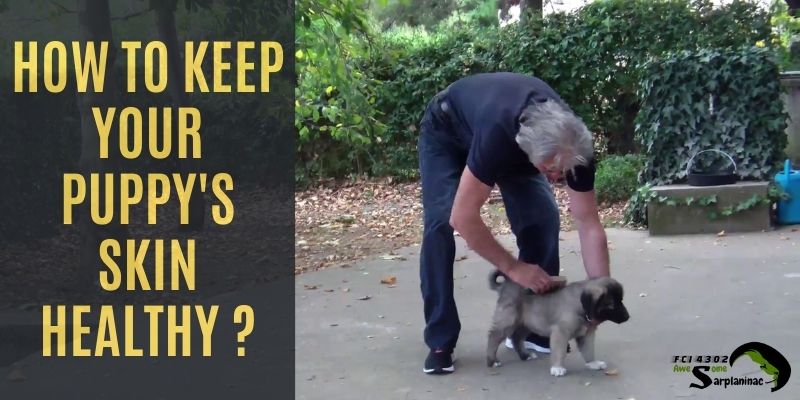
You can see how we brush Sarplaninac puppies in the video below.
What is the Ideal Age For a Puppy’s First Bath?
Wait until the puppy is at least 8 to 12 weeks old before his first bath. With Sarplaninac puppies, our advice is to avoid a bath at a young age.
Doing this too early strips away natural oils, leaving the skin dry, irritated, and flaky. Plus, bathing them too often can weaken or even cancel out flea and tick treatments.
The Sarplaninac dog should not be bathed so often! The best time is during the summer months when they are shedding their coat. Then, you should use good shampoos with vitamins.
To keep the coat healthy and fresh, make sure your Sarplaninac gets a balanced diet and regular health checks.
Show dogs need a wash about one month before the event.
But My Pup Lives With Me in the Apartment?
We can’t give advice on other breeds, but here is what you should do for the Sarplaninac living indoors:
- Wash them once a month.
- After that, make sure to brush their coat.
- Use a conditioner along with the shampoo so the fur does not tangle.
- Wash the mats where the dog sleeps often.
- Never let the dog outside right after a bath if it’s cold or winter. Wait until the next day.
What Type of Shampoo Should I Use For My Puppy?
Don’t wash your puppy with human shampoo because it’s too strong and dries out his skin.
Since every breed is different, check which one is best for your dog’s coat.
Puppy shampoo supports the coat as it grows. These products have oils that keep the skin healthy [4].
When you are picking out the shampoo, look for:
- A mild formula that won’t irritate the skin;
- pH balanced specifically for dogs;
- Tear-free so it doesn’t sting the eyes;
- A product made for your dog’s hair.
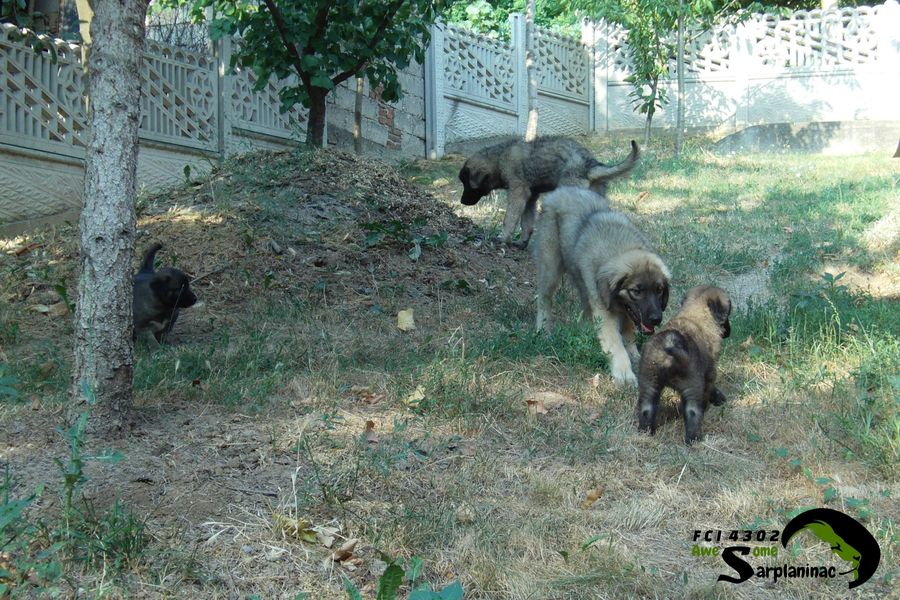
Is Your Puppy Drinking Enough Water?
A puppy needs more water than an adult dog because he is still growing and is more active.
Drinking enough water supports his digestion, nutrient absorption, and waste elimination, which all keep his skin healthy.
Without enough water, the skin loses its stretch and the puppy feels weak and lethargic.
Keep an eye on how much he drinks and ensure the bowl is easy to reach. If the puppy becomes lethargic or refuses food, call the vet right away.
Make sure to:
- Provide fresh water for the puppy (especially in summer);
- Watch for signs of dehydration;
- Make sure the water is easy for the puppy to reach.

Conclusion
Healthy skin for your puppy comes down to regular grooming, hydration, the right diet, and vet care. Use dog shampoos and never skip check-ups if you notice irritation.
Do this to prevent skin problems and all that scratching.
Sources:
- Is Olive Oil Good for Dogs? (more information);
- Can My Dog Eat Olive Oil? 4 Reasons to Add Olive Oil to Your Dog’s Diet (more information);
- 12 Surprising Benefits & Uses of Olive Oil for Dogs (more information);
- Održavanje zdrave kože šteneta (more information).