


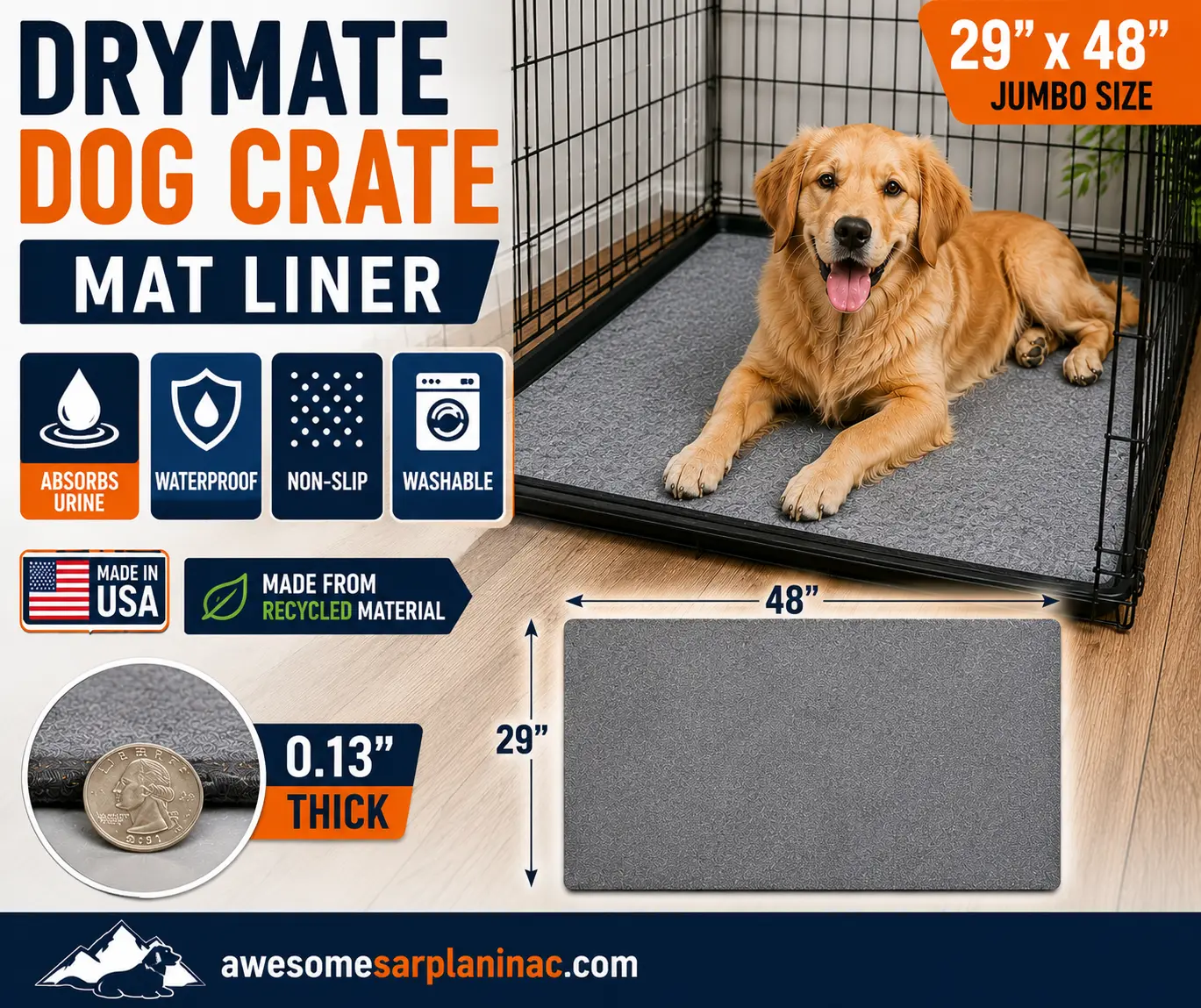
Thin dog bed mats work well in crates, small rooms, and homes with hard floors where bulky beds often take up too much space.
Many are easier to move, clean, and fit near walls, corners, or travel setups without getting in the way.
Some mats focus more on comfort, while others are designed to stay flatter on tile or hardwood floors.
This guide covers thin dog bed mats worth considering, along with a few practical things that matter before choosing one for everyday indoor use.

Why Thin Dog Bed Mats Are Practical
Thin dog bed mats take less space than bulky dog beds and work well in crates, small rooms, and homes with hard floors.
- Fit more easily inside crates
- Take less floor space around the house
- Easier to move between rooms
- Better for hard floors and tile surfaces
- Simpler to clean and store
- Useful for travel and small spaces
- Dry faster after washing than thicker beds
- Work well near walls, doors, and corners
What to Look for Before Buying One
Thin dog bed mats can work well in crates, small rooms, and areas with hard floors, but regular use can lead to sliding, uneven padding, or slower drying.
Some slide across tile, others lose shape quickly, and a few take too long to dry after washing.
Thickness
The thin dog bed mat should still provide enough padding between the dog and the floor.
Some ultra-thin mats flatten quickly and feel uncomfortable on hardwood or tile surfaces.

Washable Cover
Dog mats near crates, entryways, or feeding areas can get dirty faster than expected.
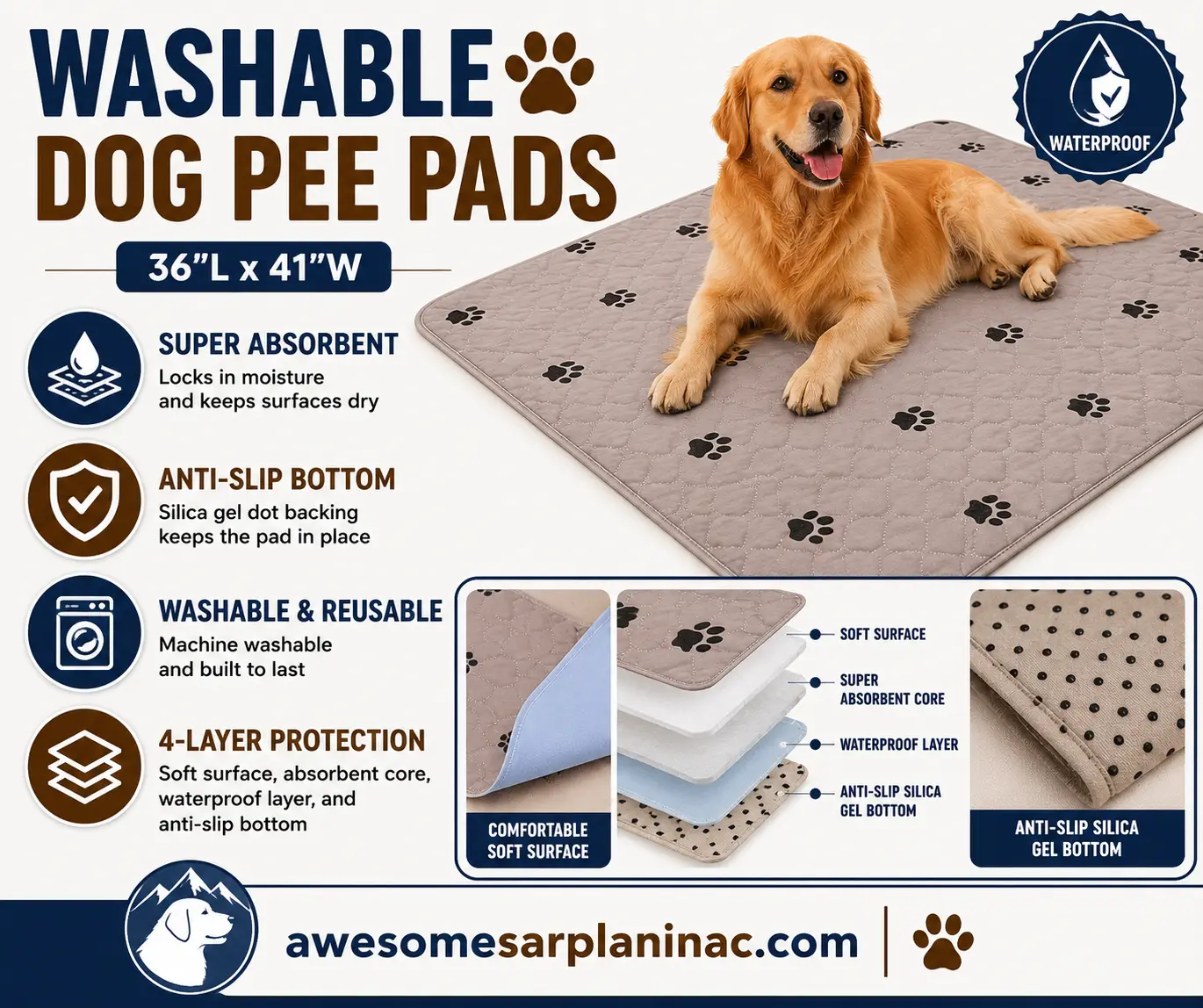
A removable washable cover makes regular cleaning easier and helps keep the sleeping area fresher indoors.
Anti-Slip Bottom
Lightweight mats may slide around on smooth floors when dogs stand up, turn, or reposition themselves.
An anti-slip bottom helps the mat stay in place on tile, laminate, or wooden floors and usually makes daily use less frustrating.
Portability
One reason many owners choose thin dog bed mats is the ability to move them easily around the house.
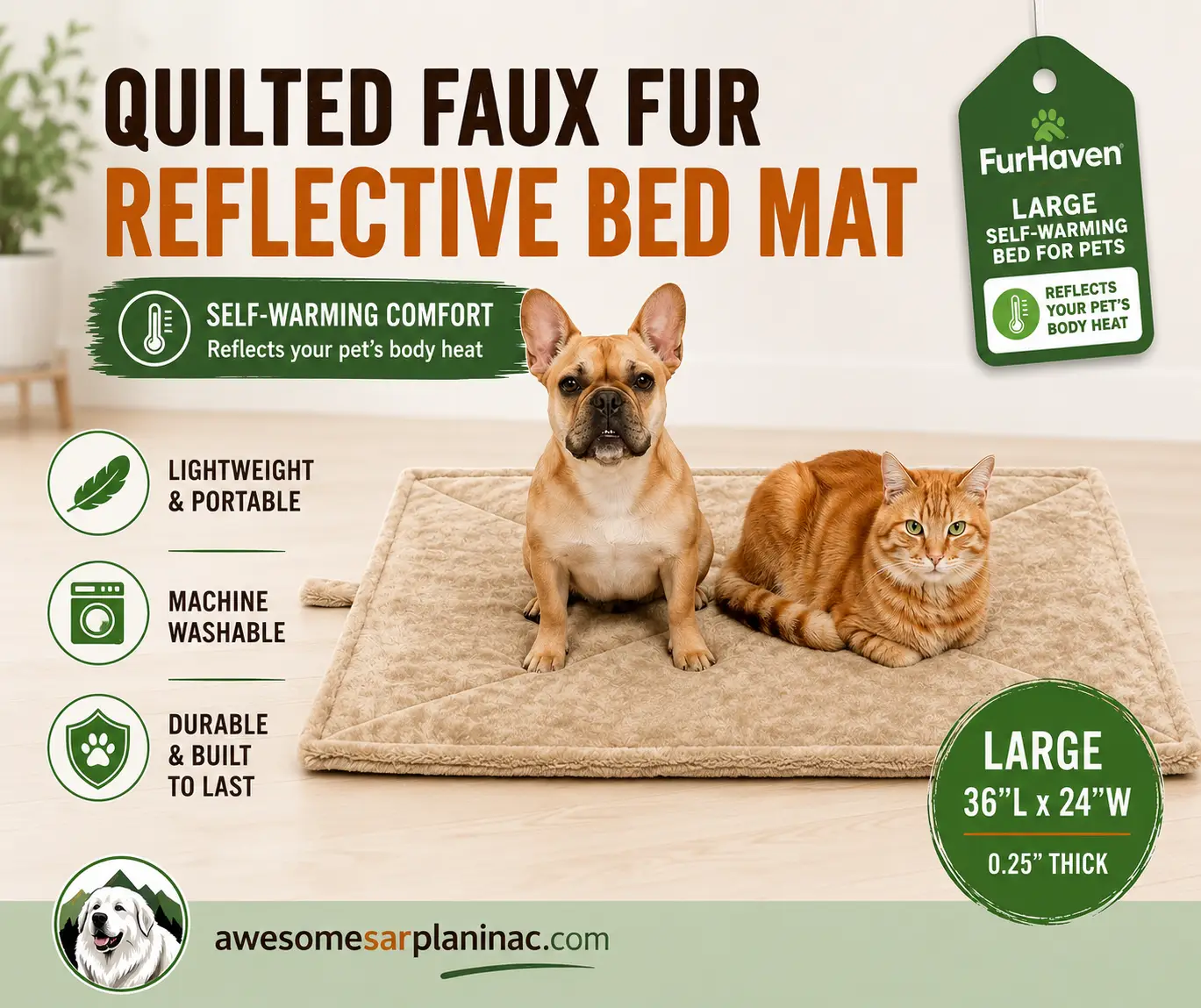
Lightweight mats are simpler to carry between crates, cars, corners, and travel setups without taking up too much storage space.
Different Floor Types
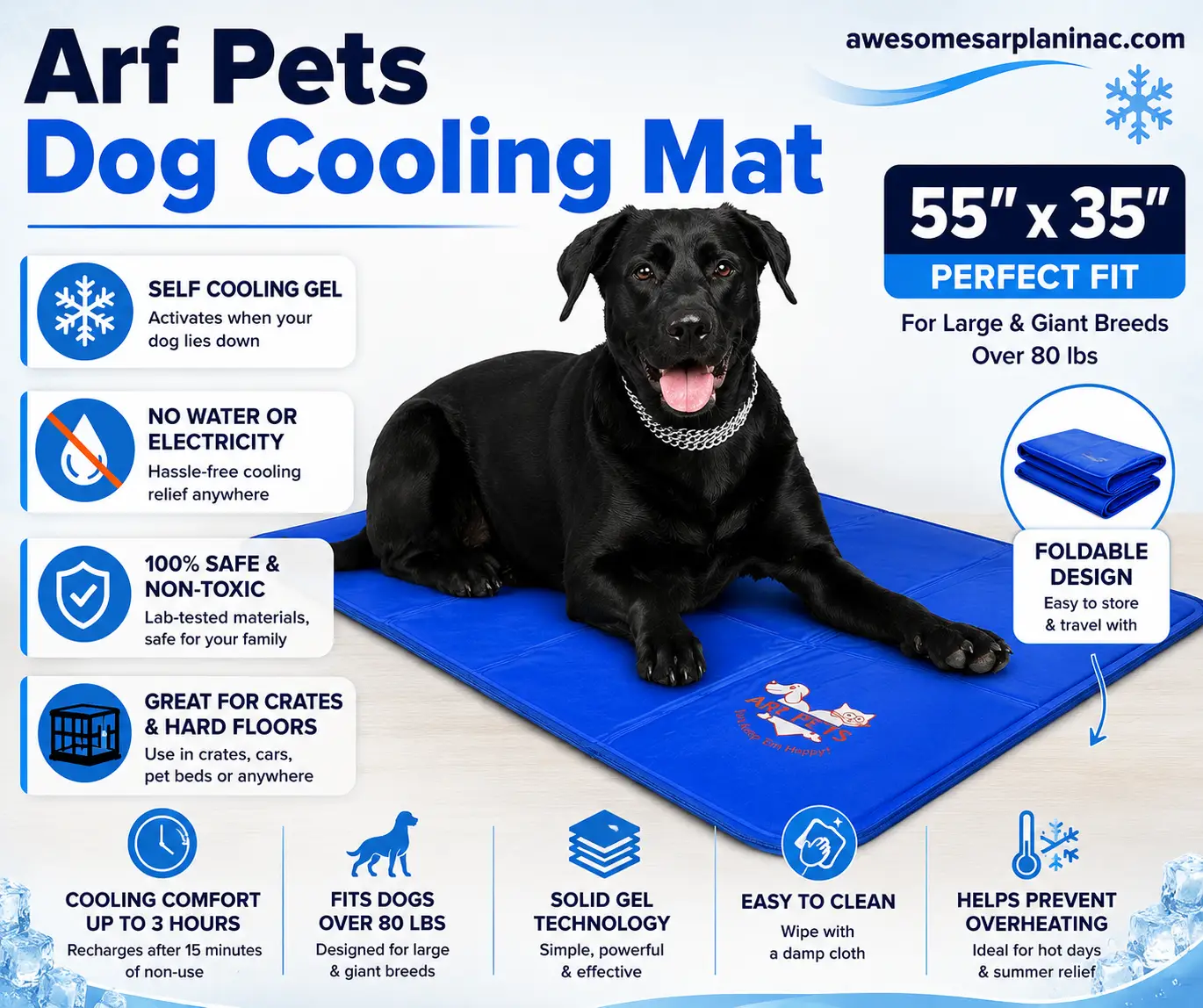
Some mats perform better on hardwood floors, while others sit more evenly on tile or laminate.
Different floor surfaces can affect how the thin dog bed mat stays in place during daily use.
Crate Fit
The mat that is too thick can reduce usable space inside the crate, while oversized mats may bunch up along the sides.
Thin dog bed mats usually work best when they match the crate dimensions closely and stay flat during daily use.
What Owners Usually Notice After Daily Use
Thin dog bed mats can slide on tile or hardwood floors, especially inside crates or near doors.
They also lose shape after washing or daily use on hard surfaces.
Extra-thin padding may not feel comfortable for every dog, while the wrong size can leave empty space or bunch up inside the crate.
Final Thoughts
Thin dog bed mats work well in crates, on hard floors, and in smaller spaces where bulky beds take up too much room.
Many people prefer thin mats because they are easier to move and store.
Before choosing one, it helps to look at the size, thickness, material, and bottom grip.