


We’ve all been there. You’re about to head out the door, and your adorable puppy gives you those soulful eyes that say, “Please don’t leave me!”
It’s enough to make you cancel your plans.
But helping your pup handle alone time isn’t just about avoiding guilt. It’s about preventing separation anxiety before it even starts.
Instead of a stressful exit, you need a strategy.
Here are 10 practical steps I’ve picked up over the years to help your puppy stay calm and confident when you’re out the door.
Set Up a Crate or Pen to Reduce Puppy Anxiety
Leaving the puppy in a wide-open house doesn’t make them feel free – it makes them feel exposed. When there is too much space to cover, the puppy feels obligated to guard it, which is the fastest way to trigger anxiety.
You need to “shrink” this world.
Use a crate or an exercise pen to create an area where your puppy can stop worrying about the front door and finally switch off.
Place this space in a quiet corner, away from the main household traffic. It needs to be a spot where they can just sleep.
Bonus Tip: Skip the expensive toys. A dog’s nose is its primary source of security. Place an unwashed T-shirt you’ve recently worn near or over the enclosure, but out of reach.
In a kennel environment, they settle down because they smell the pack. In a home, your scent is the only thing that lets them know they haven’t been abandoned.

How to Leave a Puppy Alone for the First Time?
You don’t start by leaving the house; you start by leaving the room. At home, you have to recreate the way a young dog gains independence in the kennel helping them realize the pack is still there even when out of sight.
Put the puppy in the enclosure and simply walk into another room.
Stay away for just 30 to 60 seconds. You must return before any whining or barking begins.
This isn’t a test of endurance. It’s just a way to prove that your disappearance isn’t a crisis. If you wait for them to cry before you return, you’ve already lost the round.
Most people make the mistake of a “dramatic exit.” Waving, talking, or making eye contact only spikes the puppy’s heart rate.
Leave without a word and return without a celebration. If you make your departure a “big event,” you are training your dog to be anxious.
Stop Making Your Return a Big Deal
Most owners shower their puppy with excitement the moment they walk through the door. This is a trap.
Rewarding the return confirms to the puppy that the time spent alone was a miserable experience that finally ended.
You are training them to wait for the “rescue” instead of learning to relax.
Focus on rewarding a calm state of mind. Use high-value treats quietly while the puppy is settled in the enclosure before you leave.
This associates your departure with a positive, independent activity.
When your return, maintain a neutral energy. Your presence is the reward, not your excitement.
Overdoing the praise only spikes their adrenaline and guarantees a higher state of anxiety for your next exit.
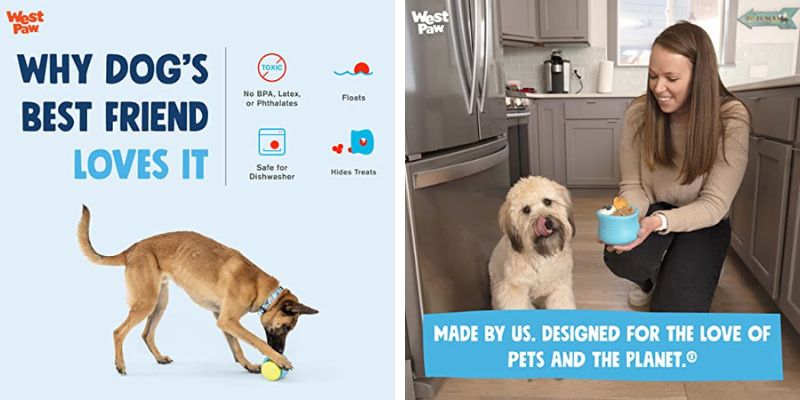
Use Puzzle Toys to Fight Boredom
Isolation is much easier to handle when there is a job to do. Instead of just dumping a pile of squeaky toys on the floor, use interactive puzzles that require actual effort.
Treat-dispensing toys or frozen Kongs aren’t just entertainment. They’re tools that shift the puppy’s focus from your absence to a rewarding task.
The key is to introduce these “high-value” activities only when you’re preparing to leave. That way, your puppy learns that your departure means a great reward is coming.
By the time the puppy finishes working for the food, the initial spike of anxiety has passed, and they are more likely to settle down for a nap.

Use Background Noise to Block Out Scary Noises
Background noise is a simple but effective way to help the puppy feel less alone.
Instead of leaving your puppy in a silent house where every little sound from the hallway scares him, use steady background noise to drown out those distractions.
Silent rooms actually makes outside noises sound louder, which makes a young dog start barking.
Calming music or a white noise machine works best to hide these sudden sounds.
You want a “boring song” that helps the pup sleep, not something that keeps him awake.

Does a Second Dog Help With Anxiety?
While a “playdate” sounds fun, the real goal is letting the puppy learn from a calm, older dog. If you have a well-balanced dog, their calm behavior shows your puppy that there is no reason to panic.
Puppies usually follow the lead of the dogs around them.
However, this is not about high-energy play. The second dog should only be around him if that adult dog is already comfortable being left alone. If both dogs are anxious, you’re just making things worse.
A calm companion teaches the puppy that “alone time” is just “nap time”.

What to Do When Things Go Wrong?
Training the puppy to stay alone doesn’t always go smoothly. There will be setbacks.
You might come home to a chewed shoe or a moved rug, but these aren’t just “funny accidents”. They are clear signs that your puppy was struggling.
Chewing things up usually means you left him alone for too long or he didn’t have enough toys to keep him busy.
Don’t get discouraged by the occasional mess. Every accident just means it’s time to change the plan, shorten the time the puppy spends alone, or get better puzzle toys.
Sticking to the schedule is the only way to help an anxious dog learn to relax at home.
Stay patient, stay boring, and keep the routine predictable.

From the Crate to the Whole House
Once the puppy learns to stay calm in a confined space, you can start giving him more freedom. However, don’t rush this. Moving from a crate or a single room to the whole house too quickly can backfire.
More space often leads to more anxiety, as the puppy feels the need to “guard” multiple entry points or search for you in every room.
Start by opening up just one room for a short time while you watch him. If he stays calm, you can slowly leave the door open longer. If you notice your puppy chewing things again, it’s a sign that he isn’t ready for that much space yet.
The goal is to make the whole house feel like a “place to nap”, not a spot to run around looking for you.
Predictable Routine
Dogs don’t panic when they know what’s coming next. Anxiety thrives on chaos, and a random schedule is the fastest way to keep the puppy in a state of high alert.

Stop Guessing – Use a Camera!
You can’t fix what you can’t see. Most owners think their dog is fine just because the house is still standing when they get back. That’s a huge mistake.
Setting up a camera isn’t for watching “funny moments”. It’s so you can see if the puppy is resting or just shaking and walking back and forth for hours before falling asleep.
Watching the footage tells you exactly where the breaking point is. If you see him start getting restless at the 12-minute mark, then you know 15 minutes is too long for the next time you leave.
This isn’t about overprotecting your puppy. It’s about knowing the facts so you don’t leave him alone until he starts barking and howling.
Use the camera to catch the warning signs early, before the scratching at the door even begins.

Conclusion
Teaching a puppy to stay home alone is one of the hardest things about raising a dog.
There’s no magic trick or shortcut.
There’s no magic trick or shortcut. It takes patience, careful timing, and the discipline to focus on your puppy’s future instead of looking for a quick fix today.
Don’t get discouraged by the bad days. If you come home to a mess or see him whining on the camera, don’t look at it as a failure. Just look at it as a sign to change your approach.
Shorten the time you leave him alone, check your routine, and stick to the plan.
The goal isn’t to have a “rockstar” dog. You just want a calm companion who knows that you walking out the door isn’t an emergency.
Keep the emotions low, the routine high, and the progress will follow.


