
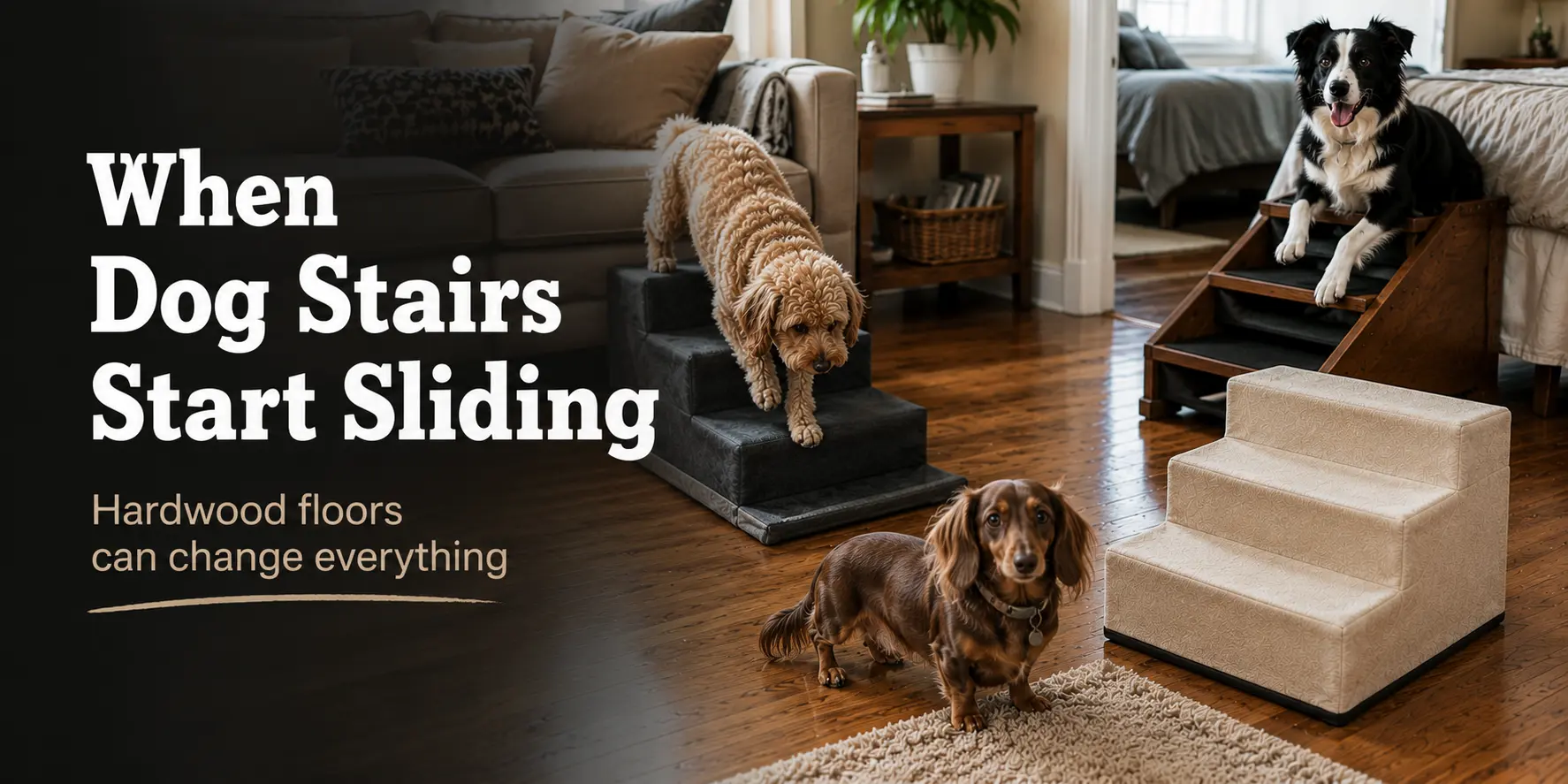

Many dog stairs look fine at first but start to move on hardwood floors.
That small movement can be enough to make a dog pause, hesitate, or avoid them altogether. For a nervous dog, one shaky step can be enough to lose trust.
The details matter more than the look. A wider base, more weight, and a bottom that stays steady can make a big difference on smooth wood.
Dog owners notice this problem in rooms with polished floors, laminate, or tile.
Why Dog Stairs Slide on Hardwood Floors
Hardwood floors don’t provide much grip, so dog stairs can slide when pets step on them.
The problem is more common with lightweight models, smooth plastic bottoms, or narrow designs that don’t stay firmly in place.
Rubber feet and a wider base usually help keep them steady on smooth indoor floors. Covers with more texture can also help prevent slipping.
What Makes Some Pet Stairs More Stable Indoors
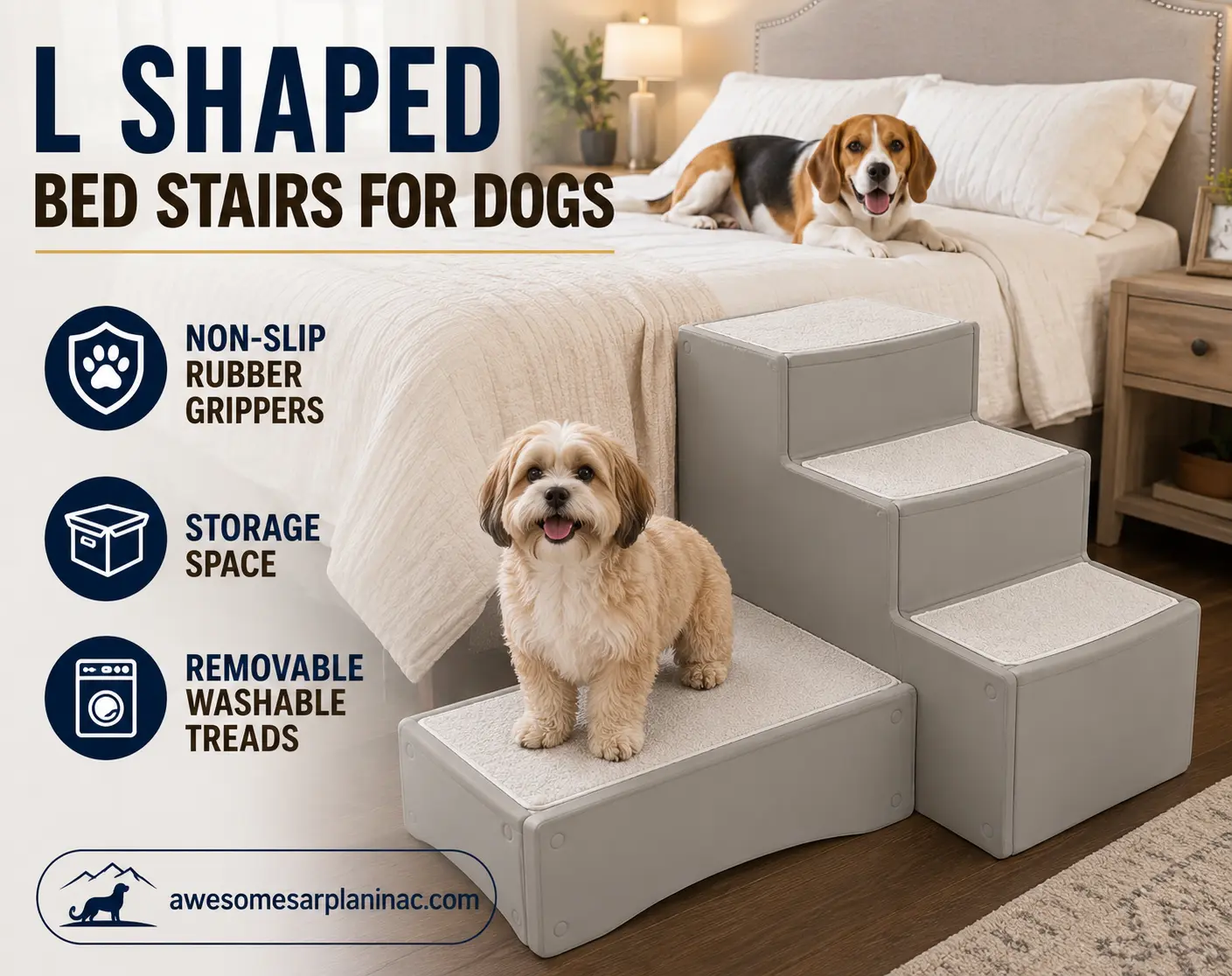
Some pet stairs start sliding little by little on hardwood floors, especially when dogs push off with their back legs near beds or couches.
Wider steps often feel easier for dogs since there is more space for paws during climbing.
Rubberized feet can also help reduce movement on smooth flooring.
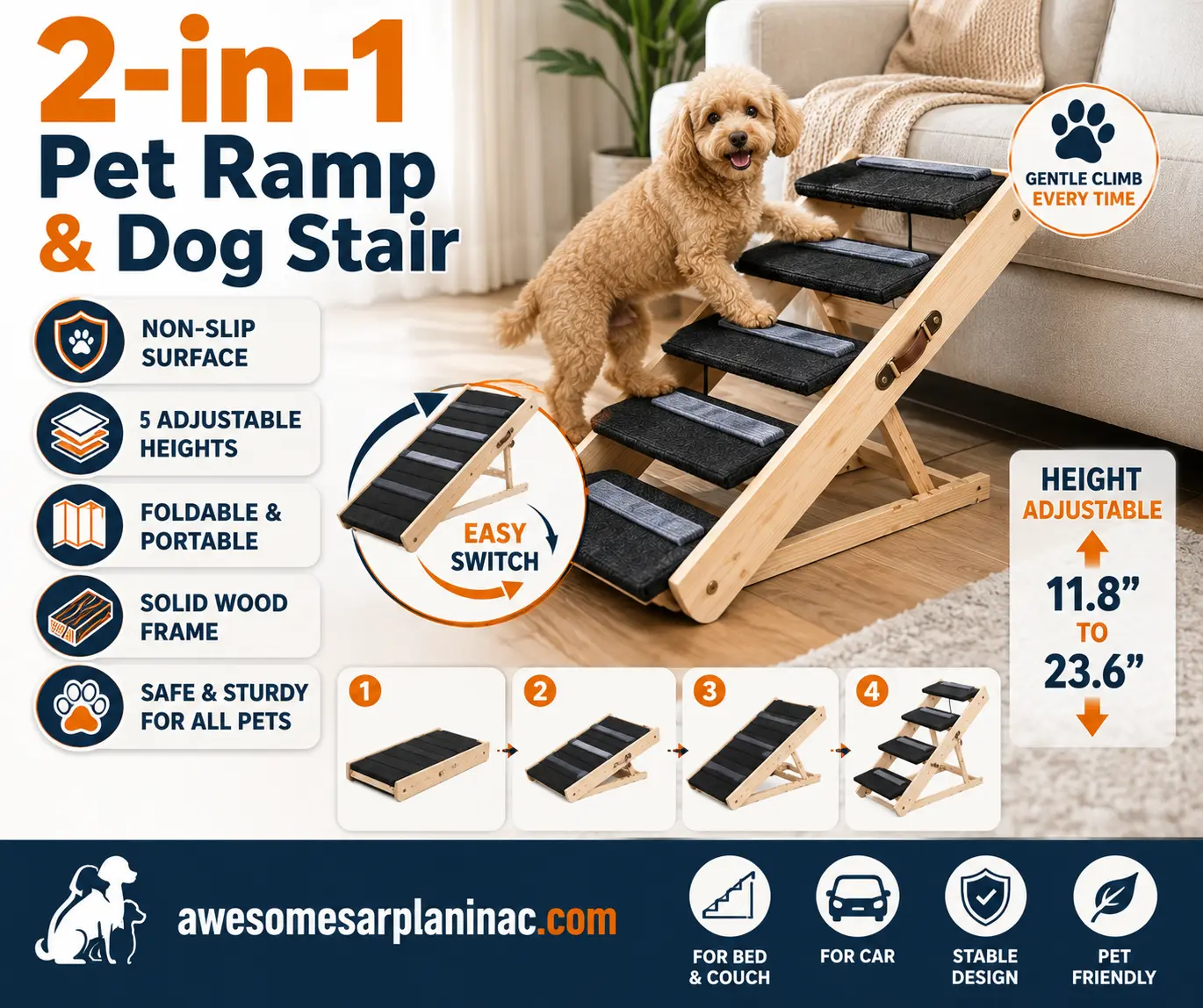
Foam stairs may soften in certain spots over time, while heavier plastic or wooden frames often stay more stable on smooth indoor floors.

Foam vs Hard Dog Stairs on Smooth Floors
Foam dog stairs are lighter and softer, but some models move more on hardwood floors.
Hard-frame stairs often feel steadier on smooth floors, which can make dogs more comfortable using them indoors.
Stairs that wobble or slide can make indoor use harder, especially on polished wood.
Common Problems Dogs Have With Slippery Stairs
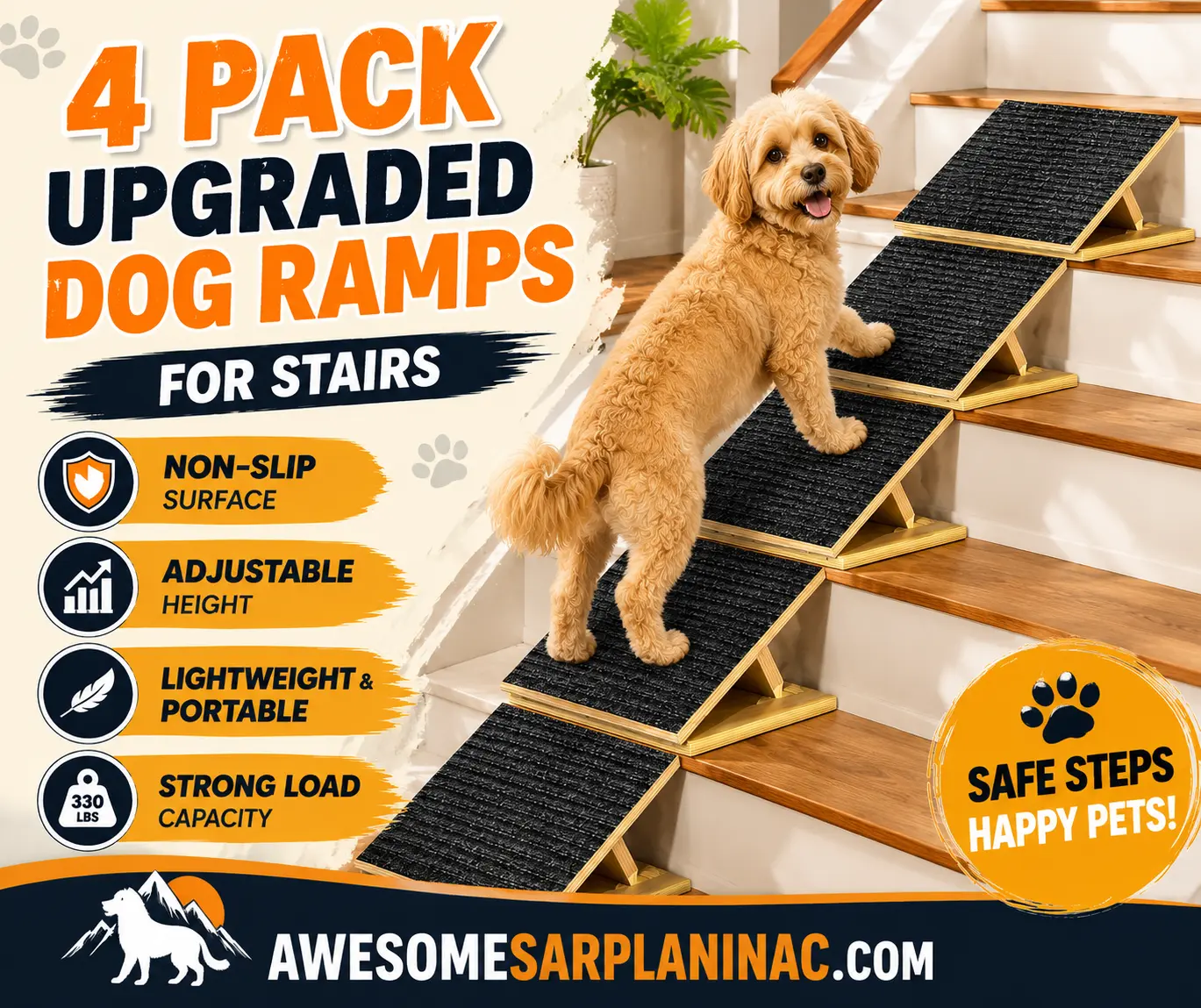
Pet stairs that slide can make dogs avoid using them indoors. Common problems include:
- stopping before climbing;
- jumping over;
paws slipping on smooth surfaces; - missing a step while climbing;
- refusing to use it again;
- losing balance on taller stairs.

Are Dog Stairs Better Than Ramps for Hardwood Floors?
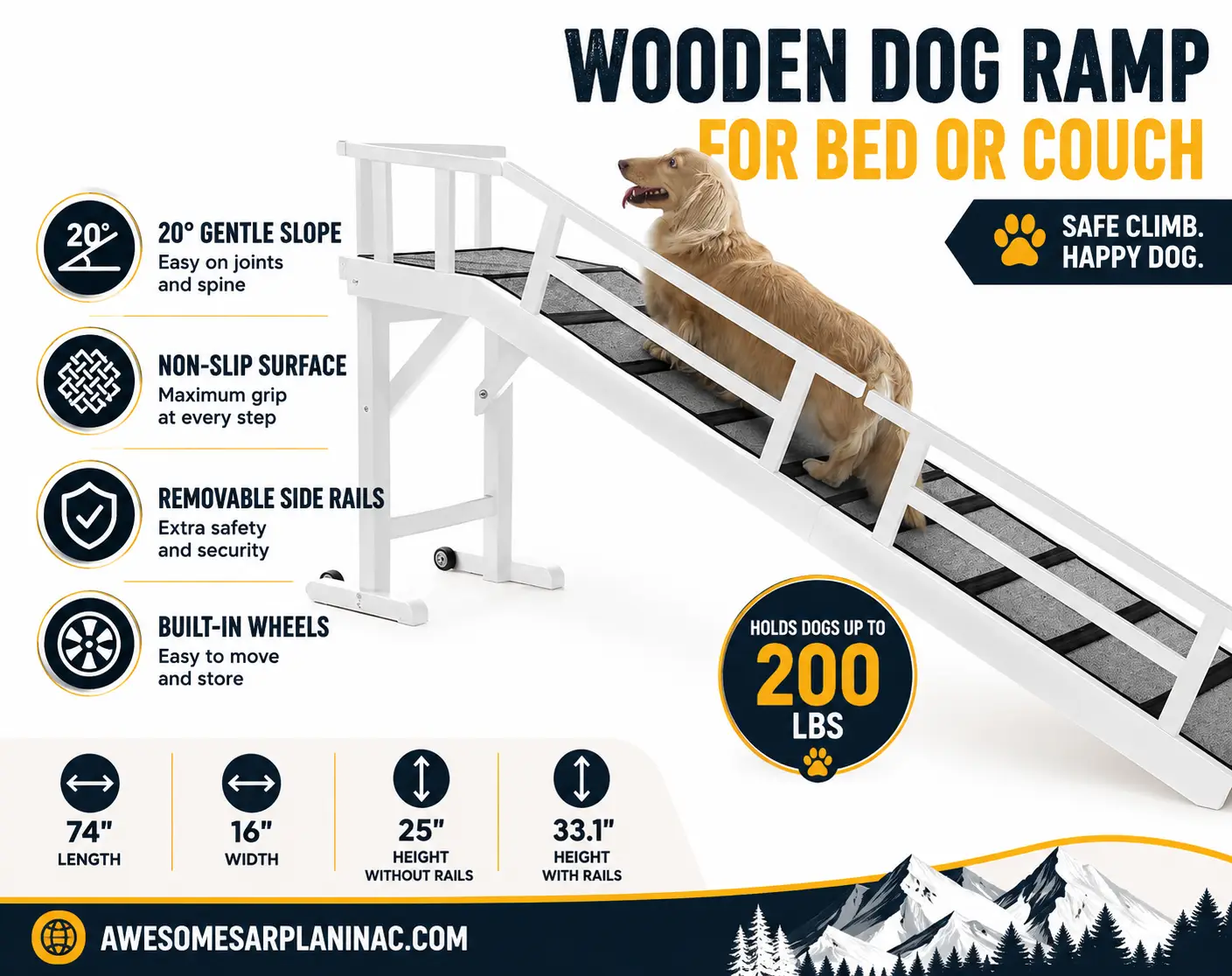
Ramps usually stay in place better on hardwood floors because the weight spreads across a larger surface.
They also provide more stability indoors where smooth flooring offers less traction.
Dog stairs are easier to fit beside beds and couches, but lightweight models often slide more on smooth floors if the base doesn’t have enough grip.
On hardwood floors, stability matters more than the style itself.
Things Worth Checking Before Buying Dog Stairs
Before buying dog stairs, a few simple features are worth checking for everyday indoor use:
- rubber feet or anti-slip pads;
- wider base for better stability;
- deeper steps with more paw space;
- textured fabric instead of slippery covers;
- removable covers for easier cleaning;
- heavier frames that stay in place more easily.
Final Thoughts
Dog stairs that feel stable on carpet do not always stay in place on hardwood floors.
One “bad slip” near the couch is enough for some dogs to stop using the stairs.
Wider steps, more grip, and a heavier base usually make a bigger difference indoors than color, shape, or soft fabric covers.