
A small gap in the fence is enough for a dog to get out. An open gate or a moment without attention can turn into a situation where he is already outside the yard and moving farther than expected.
A GPS tracker sounds like the obvious answer in that situation. It promises location, control, and a sense of security in a small device attached to the collar.
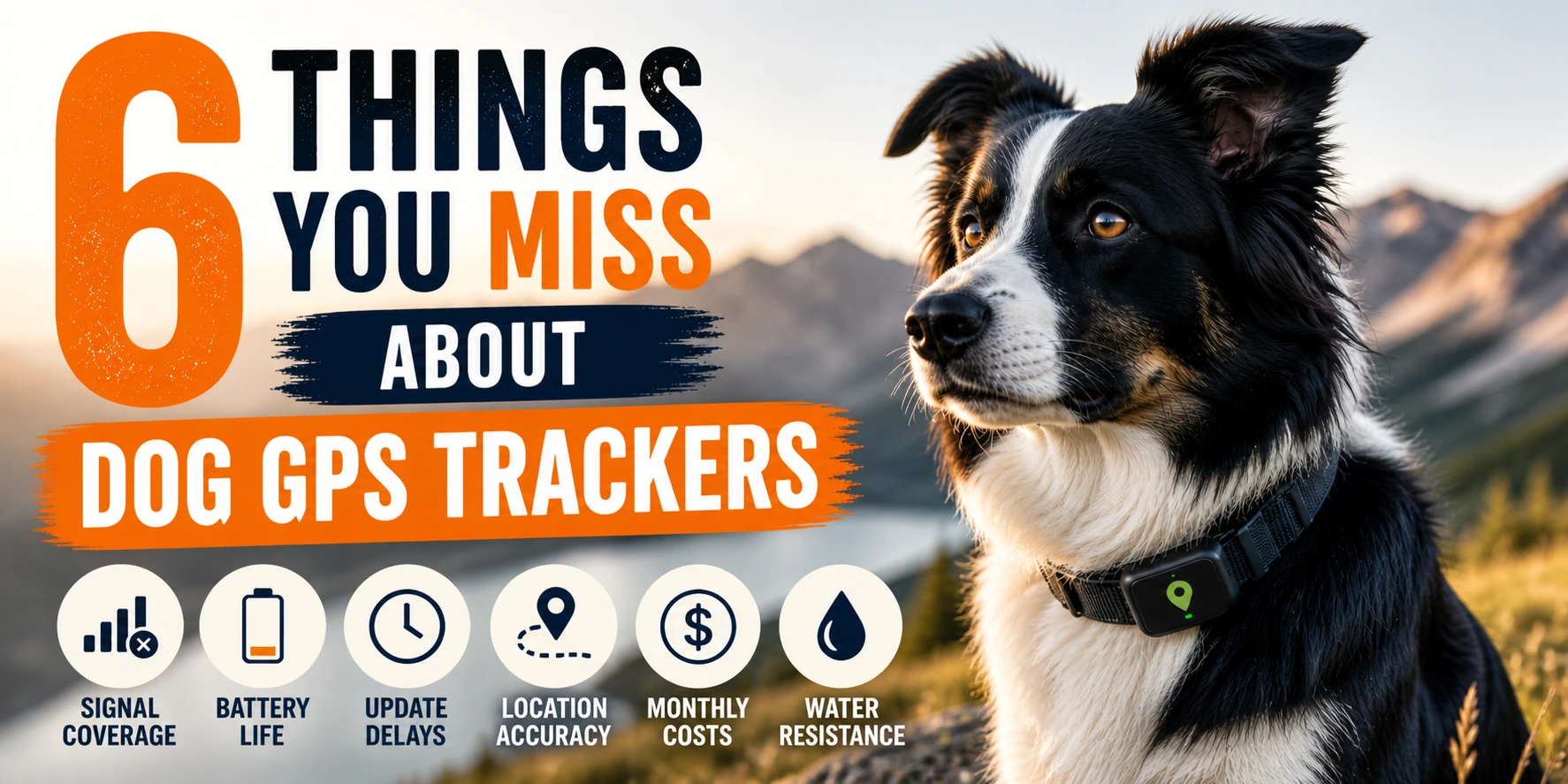
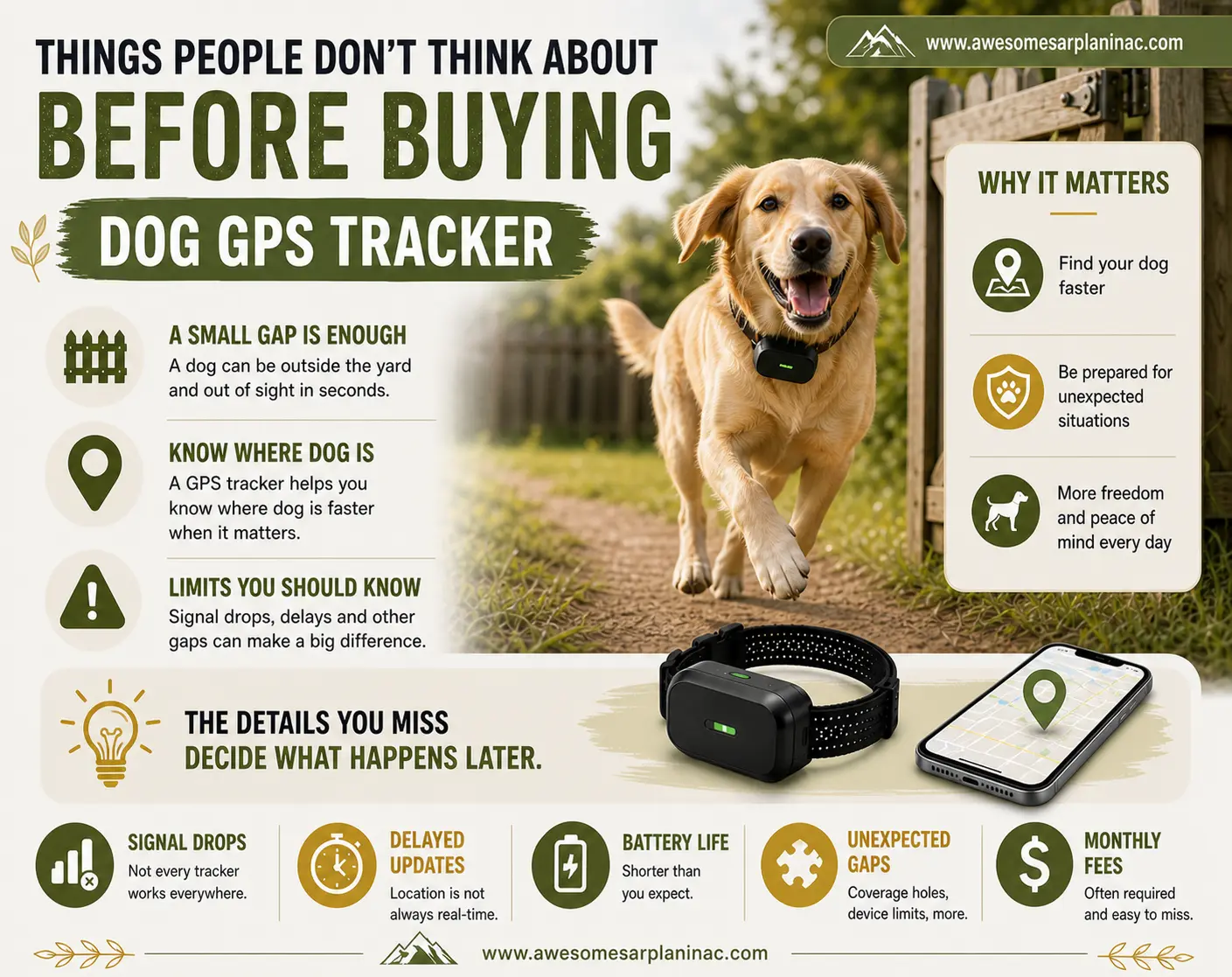
But here’s what rarely gets mentioned: many owners notice the limits only after they start relying on it. Signal drops, delayed updates, unexpected gaps – things that don’t show up on a product page.
Those details often decide whether the tracker helps or leaves you guessing. And most of them are easy to miss before buying.
Not Every Dog GPS Tracker Works Everywhere
The GPS tracker depends on network coverage, not just the device itself. Many dog owners expect it to work the same everywhere, but that quickly changes once the dog moves outside strong signal areas.
This becomes clear in rural environments. Fields, forests, and large open spaces often have weaker coverage, which directly affects accuracy.
Most devices rely on mobile networks, so even small signal drops can interrupt tracking.
In real situations, the map may stop updating while the dog keeps moving, leaving only the last known location.
That can still help, but it is not always enough.
Some GPS trackers are designed for wider coverage and outdoor use, which can make a noticeable difference.
Battery Life Is Shorter Than You Expect
Battery life often sounds good when you first look at a GPS tracker, but real use tells a different story.
Once the device starts tracking dog’s movement throughout the day, the battery drops faster than most people expect.
Shorter update intervals give a more precise location, but they also drain the battery much quicker.
Daily use usually means regular charging, and skipping it even once can leave the tracker without power at the worst possible moment.
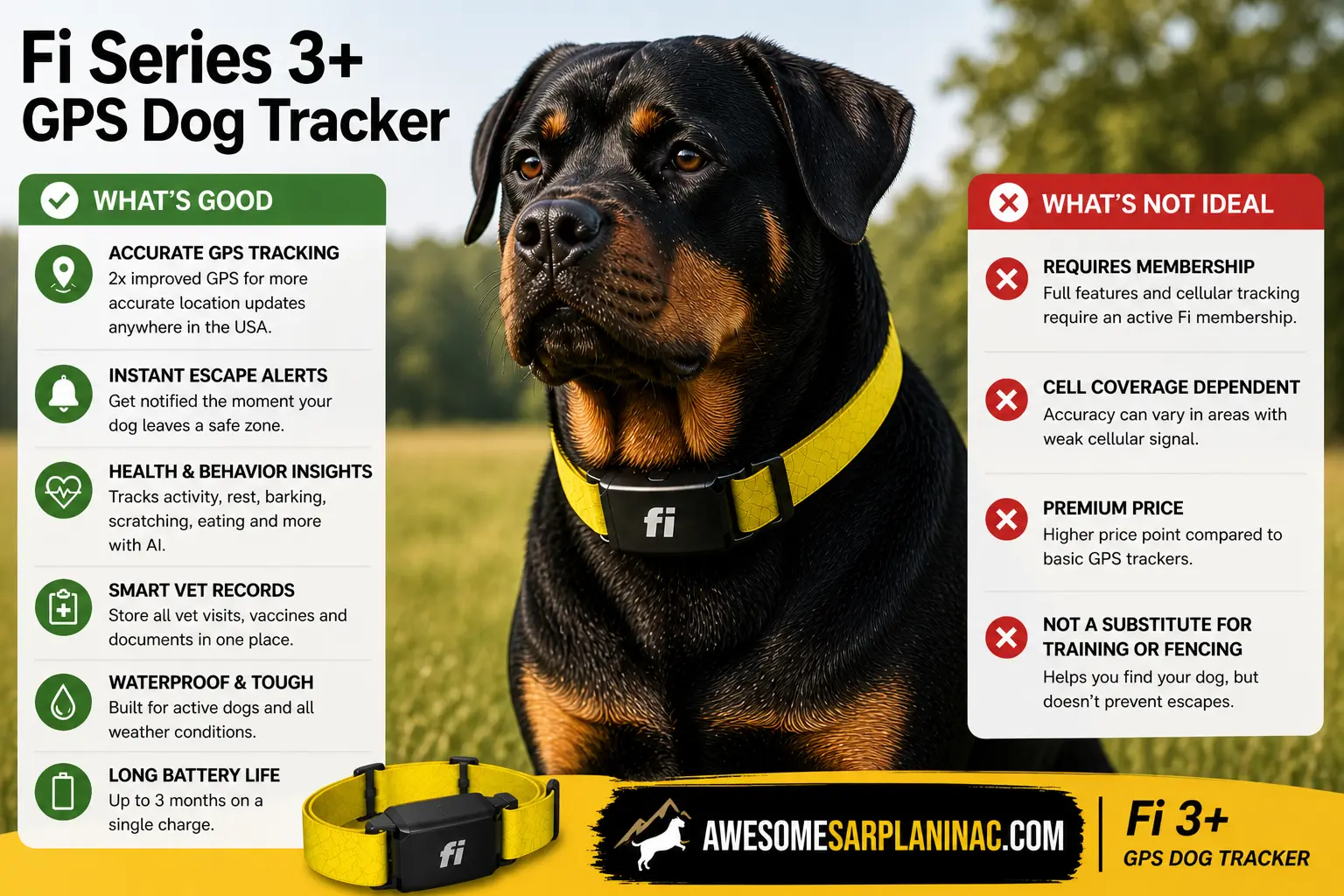
Fi trackers can run for weeks instead of days, which makes them easier to rely on in daily use.
Location Is Not Always Real-Time
Tracking can look immediate at first, yet most GPS trackers for dogs update location at set intervals instead of continuously, which creates a short delay between the actual position and what appears in the app.
Several factors influence how accurate that position feels in practice. More frequent updates improve precision but reduce battery life.
A weaker signal can also affect what you see on the screen. In those moments, the app may show only the last recorded location instead of where the dog actually moves next.

Size and Weight Matter More Than You Think
Size and weight often decide whether a GPS tracker stays on the collar every day or ends up taken off after a few uses.
What feels acceptable at first can start to bother the dog once the device moves, swings, or rubs against the neck during longer activity.
Heavier clip-on trackers may move a bit if they are not tightly attached, especially when the dog is active. More compact designs or trackers that sit closer to the collar tend to stay in place better.
That movement leads to friction and distraction, which makes some dogs react or try to shake it off.
Monthly Fees Are Often Required
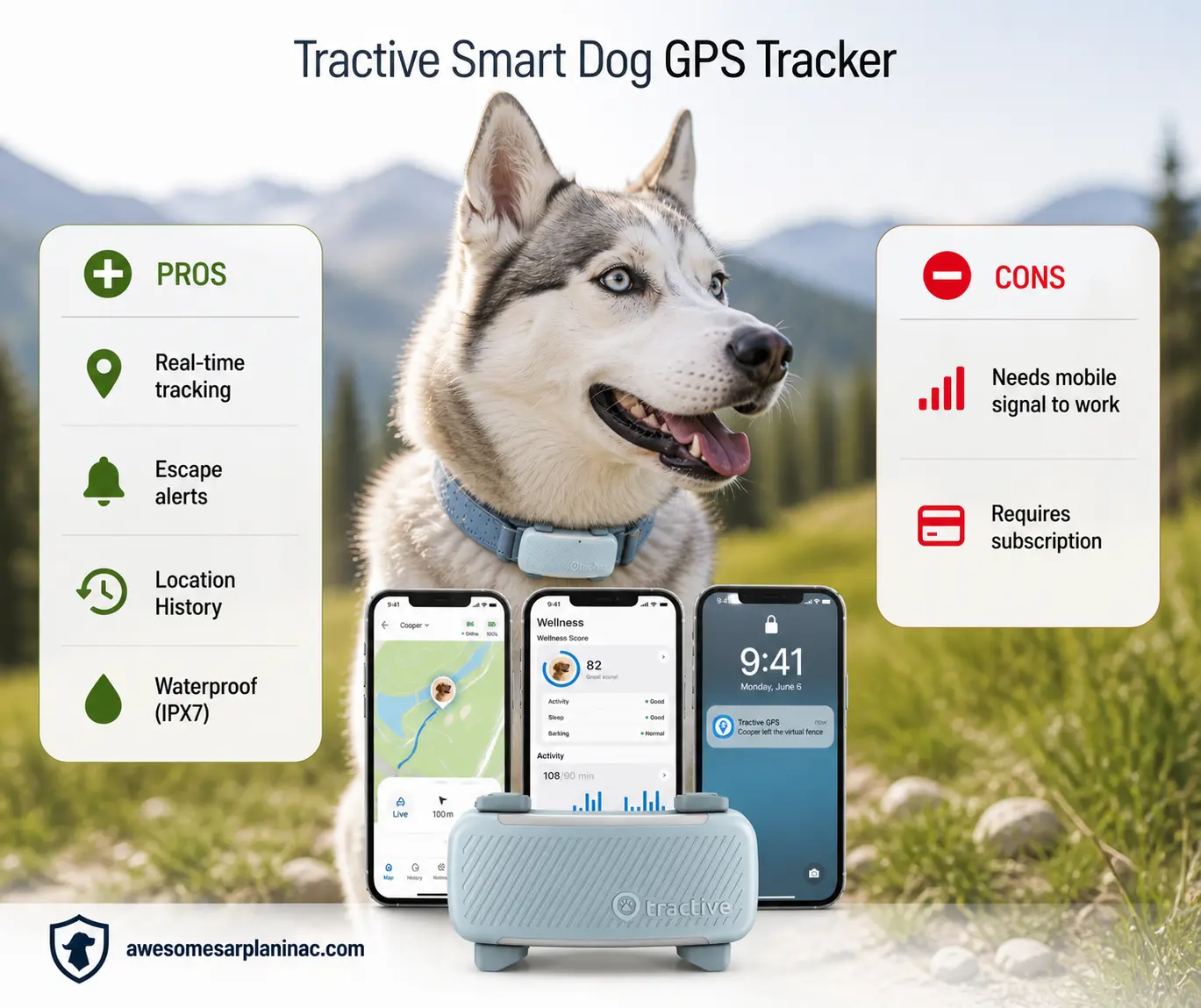
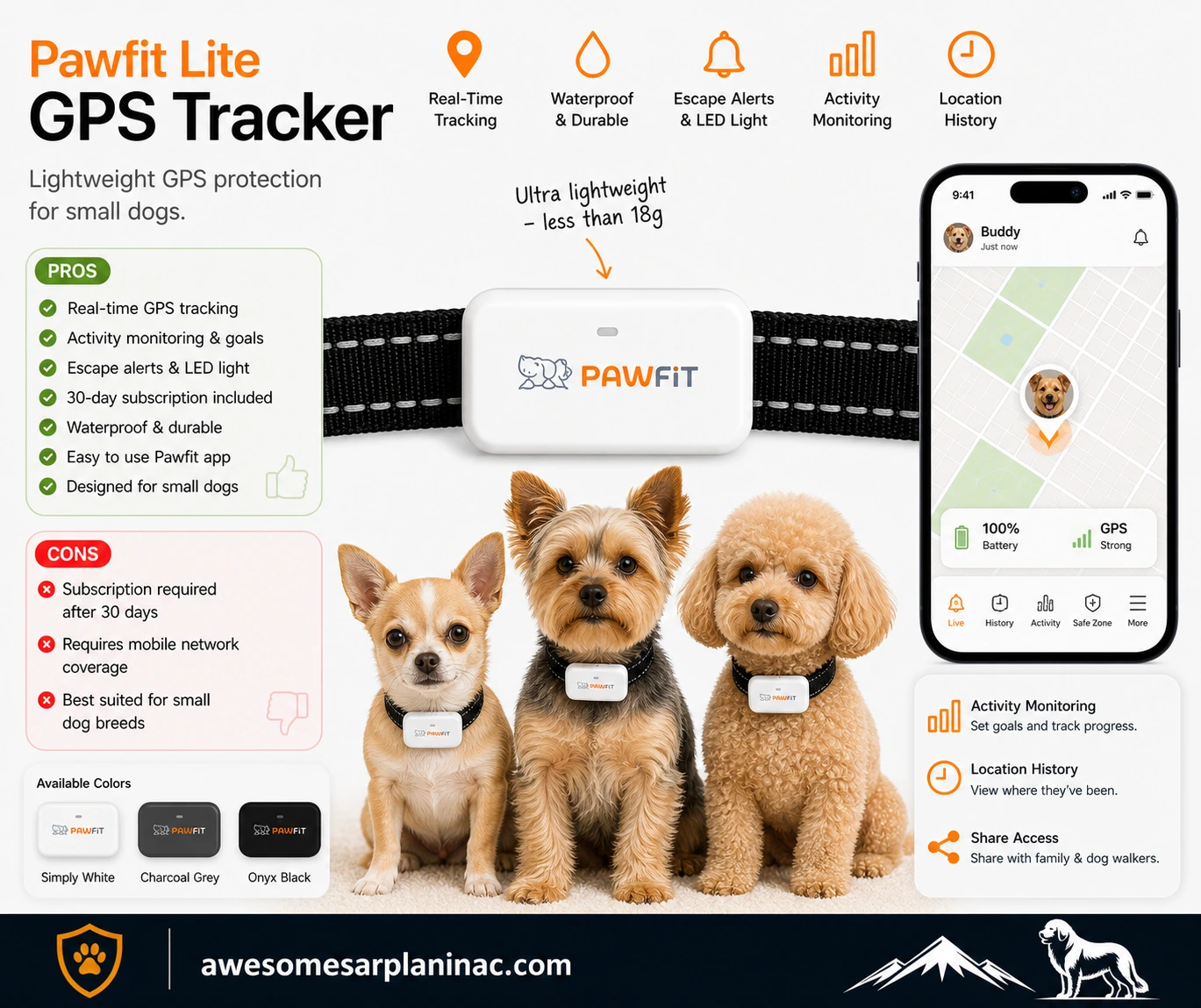
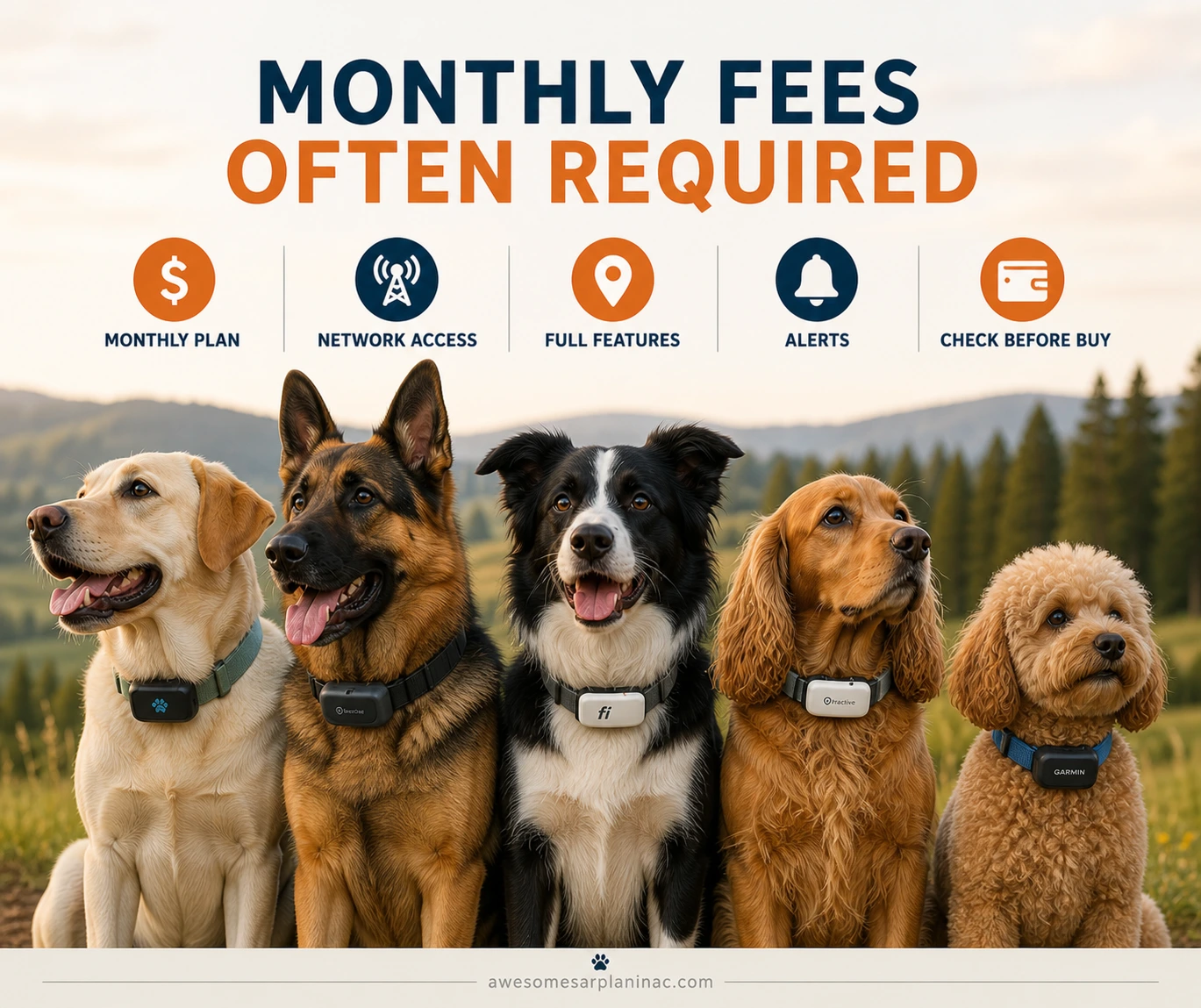
Most dog GPS trackers use mobile networks to send location data, so a monthly subscription is usually required. Without it, many tracking features will not work.
Costs depend on how often the tracker updates location and which features are included, such as alerts or location history. Some dog trackers offer limited use without a plan, but more frequent updates are part of a paid service.
Looking at the total cost, not just the device price, helps avoid unexpected expenses over time.
Dog GPS Trackers Do Not Prevent Running Away
The GPS tracker helps you locate your pet after it leaves, but it does not stop the behavior itself. Dogs run off because of other animals, sudden noise, open space, or weak boundaries.
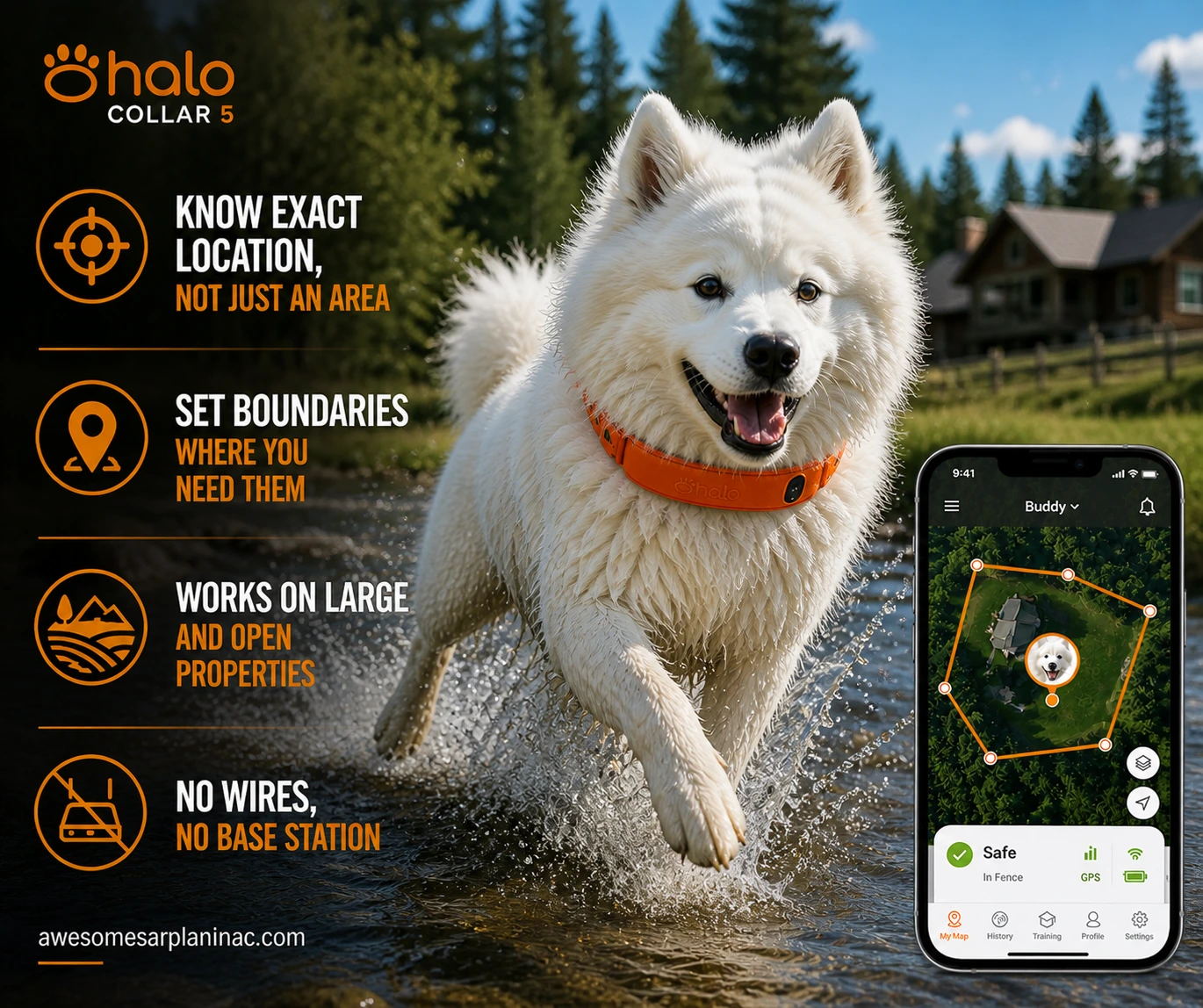
That is where GPS dog fence systems come in. They create a virtual boundary and react when it is crossed, which helps limit roaming in open areas.
A fence system adds more control, while the GPS tracker helps you find the exact location if it still happens.
When GPS Tracker for Dogs Makes Sense
Open land without fencing makes it easier for the dog to wander off and get out of sight.
Some dogs simply have more energy than owners expect, especially off leash. When your pet goes out of sight, this is where tracking helps because he will not always come back when you call him.
Fields, forests, and rural areas reduce visibility. GPS tracking helps locate the dog when he is no longer nearby and you cannot see where he went.
Loud sounds, wildlife, or sudden movement can cause the dog to run off without warning. Even calm pets react in these moments, which is when tracking makes a real difference.