


Dogs react to physical changes in the air and ground that humans miss. If the dog starts pacing before a storm or barks at a quiet street, it is responding to sounds and scents that arrive minutes or hours early.
It’s natural instinct (not magic) that lets a dog’s ears catch low-frequency rumbles and its nose detect chemical changes in a person’s breath or sweat.
Sudden drops in barometric pressure or the smell of ozone before rain falls trigger these immediate responses.
When you notice these physical signs in your dog, they can tell you what’s coming – from a weather change to a medical emergency – before it happens.
Here are the six things dogs sense before you do …
How Dogs Sense Bad Weather?
Dogs will often pace, pant, or hide under a table long before the first drop of rain falls.
According to The Dodo, dogs can sense the sudden drop in air pressure and shift in static electricity that signal an approaching storm. [1]
Before a thunderstorm or blizzard hits, they smell the ozone pushed ahead by the wind and feel the pressure changes in their inner ear and joints.
This drives them to seek shelter or press against your legs, long before you hear the first rumble of thunder.

Medical Aides
Service dogs detect tiny chemical shifts in human sweat and breath. These companions help people with diabetes by barking or nudging their hands when blood sugar levels drop or spike. [2]
Instead of relying on medical equipment, the dog uses 300 million scent receptors to catch the smell of isoprene long before a person feels a physical symptom.
In cases of PTSD or anxiety, the dog recognizes subtle movements like leg shaking or heavy breathing. It reacts by leaning its body weight against the owner or pawing at them to interrupt a panic attack.

When the Pup Signals Danger?
Fear and aggression trigger hormonal changes and physical tension that humans often miss.
When a stranger approaches with bad intentions, the human body releases adrenaline and cortisol. The dog catches these scent markers and notices tensed muscles or staring eyes long before any conflict starts.
Standing between the owner and a stranger or giving a low growl is a direct response to these hormonal signals. The dog notices heavy breathing and rigid posture that the human eye ignores.
When you watch for these physical reactions in your dog, they can tell you there’s a problem before a situation escalates.

When Tension and Fear Take Over
Dogs see tight jaws and stiff posture when an owner gets nervous.
Stress changes the smell of human sweat and breath, and the dog picks up on it instantly. Instead of staying at a distance, a pet moves closer to rest its head on the owner’s lap or lean against their legs to settle them down.
Petting the dog triggers oxytocin. This hormonal bond slows a racing heart and lowers blood pressure during a panic attack.
People who feel down or overwhelmed find relief in this contact because the presence of a calm dog forces the human body to relax.
Trouble is Coming
Dogs feel the ground shaking long before the “sky turns dark”.
During the 2004 Indian Ocean earthquake and tsunami, owners saw them with tails tucked, refusing to step onto the sand minutes before the water hit (the dog simply feels and hears vibrations and deep rumbles that a person cannot).
Seismologists confirm that dogs can react to fast-moving P-waves from an earthquake, sometimes just seconds before a person notices anything.
Watching the dog suddenly cower, whine, or scratch at the door is a clear signal to move before the danger is visible. [3]

Earthquake
Goran Karačić, the goalkeeper who plays for the Turkish Adana Demirspor, described the drama he experienced together with his wife during the last earthquake in Turkey (06/02/2023).
He says that his life was saved by none other than his dog.
“I can freely say that my life and the life of my wife were saved by our dog! Otherwise, it is a very calm animal that rarely draws attention to itself. A few moments before the earthquake, he started barking and jumping around the room, which woke us up and alerted us that something was wrong, after which we ran out into the street,” said the former goalkeeper of Zrinjski. [4]

Cancer?
In a 2013 study published in BMC Cancer, dogs were able to identify patients with ovarian cancer by sniffing specific chemical compounds in their blood. [5]
Not only that, but even household pets with only basic “puppy training” have been trained to tell the difference between breath samples of lung and breast cancer patients, according to a 2006 study.
Beyond this, the dog has also shown an ability to sniff out melanoma on the skin and bladder cancer in urine, as noted by Dodman. [6]
Although this research looks promising, dogs don’t get it right every single time. Because of this, a “sniff test” cannot replace a real medical exam at this time. [7]

Conclusion
Vibrations in the ground and shifts in the air reach dogs long before a person notices anything is wrong. A nose that picks up a disease or ears that hear the earth tremble mean the dog senses what we simply miss.
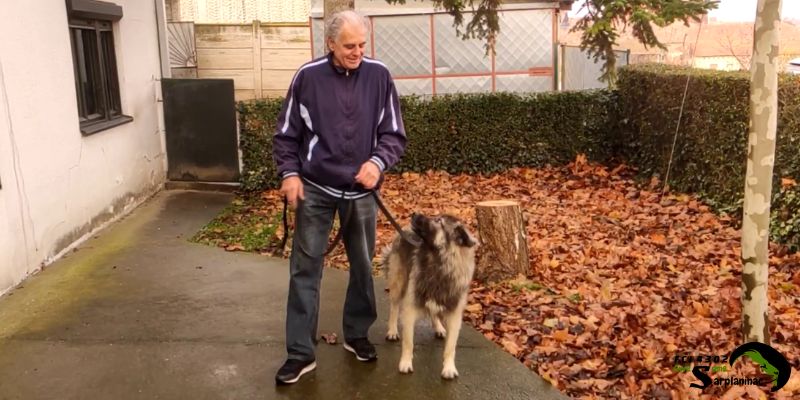
I saw this firsthand with my Šarplaninac dogs during the 1999 NATO bombing. They would start a deep, long howling well before any planes appeared in the sky or any sound reached our ears.
That warning gave us the extra minutes we needed to get to safety before the danger arrived.
Thank you for your time and attention …
Sources:- The Dodo Pet Portal (more information);
- Husky sniffs owner’s belly repeatedly and ends up saving her life (more information);
- Unusual Animal Behavior Preceding the 2011 Earthquake off the Pacific Coast of Tohoku, Japan: A Way to Predict the Approach of Large Earthquakes (more information);
- Najbolji čovjekov prijatelj: Da li je mit ili istina da psi mogu predosjetiti zemljotres (more information);
- Cancer odor in the blood of ovarian cancer patients: a retrospective study of detection by dogs during treatment, 3 and 6 months afterward (more information);
- Diagnostic Accuracy of Canine Scent Detection in Early- and Late-Stage Lung and Breast Cancers (more information);
- Five Surprising Things Your Dog Can Sense (more information).