
Safety is the first thing you should think about the moment a new puppy walks through your door.
Puppies explore the world with their mouths, and they don’t know the difference between a dropped snack and poison.
I have 10 prevention tips to keep your home safe.
Important: While we share our experience as long-time Sarplaninac breeders, this guide is for informational purposes only. If you suspect your puppy has been poisoned, contact a veterinarian immediately.
Household Hazards: Lock it Up
Most people don’t realize how quickly the puppy can get into a cabinet. Cleaning agents, detergents, and pesticides are deadly, and just keeping them “out of view” won’t stop the puppy.
My rule is simple: if you wouldn’t leave it in a toddler’s reach, don’t leave it in your puppy’s reach.
Always keep these liquids in their original bottles (never move them to unmarked containers where you might forget what’s inside).
Also, don’t trust a closed cabinet door. Puppies are smart enough to figure out how to open them.

Hidden Toxins: What Stays Off the Plate?
The puppy doesn’t know that a scrap of food from the table can be fatal. Their digestive system is still developing, and things we eat every day can poison them.
Chocolate, onions, garlic, and caffeine are major dangers. [1]
There is no safe amount, and a small piece is enough to cause a bad reaction. If you aren’t 100% sure an ingredient is safe, don’t let it touch the plate.
This is especially important when you have guests; make sure they know that a ‘treat’ from the table could end in a trip to the emergency vet.

Guests and Kids: Keep the Rules Firm
You aren’t the only one who needs to follow the rules. You have to tell everyone, especially kids and visitors, never to feed the puppy without asking you first.
Children often try to share their snacks because they don’t know that one bite can cause trouble.
If the food didn’t come from you, it doesn’t go in the bowl.

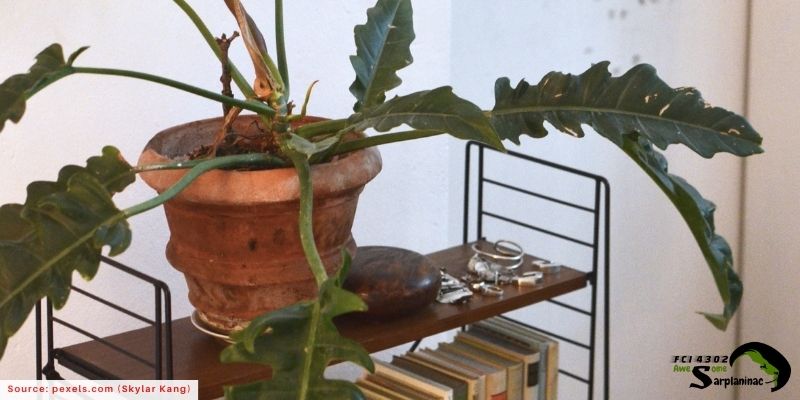
Household Plants That Are Toxic
Before you bring a new plant home, you have to know if it’s dangerous.
The puppy will likely try to chew on leaves or dig in pots, and common plants like lilies, azaleas, and sago palms are pure poison. Even a few seeds from a sago palm can be fatal.
Stick to pet-safe options and keep any questionable plants completely out of reach (or better yet, out of the house).
If you even suspect the puppy has eaten something green that isn’t on the ‘safe’ list, call the vet right away.
Pet-Safe Cleaning Products for Dogs
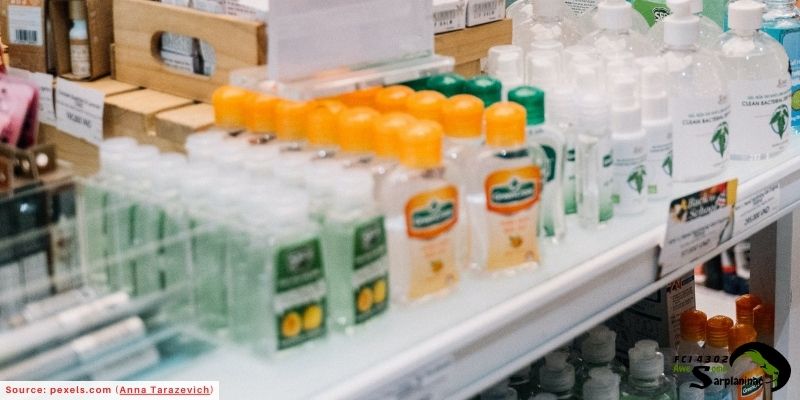
Anything you use to scrub your floors or counters will end up on the puppy’s paws, and eventually, in their mouth.
Many standard cleaners contain bleach, ammonia, or phthalates that can burn your puppy’s skin or poison them.
Switch to pet-safe cleaners or use basic alternatives like diluted vinegar and baking soda.
If you must use something stronger, keep the puppy out of the room until the surface is bone-dry and the fumes are gone.

Human Medications: Keep the Cabinet Locked
Puppies can easily grab things off counters and tables.
Pills are more than just a choking hazard. Many common medications, including basic pain relievers or vitamins, can make the puppy seriously sick.
A dropped pill or a plastic bottle left on a nightstand will quickly land you at the vet.
Don’t rely on “out of reach” – puppies can climb and jump.
Store all medications in a high, locked cabinet or a heavy drawer the puppy cannot pry open. If you think even one pill is missing, don’t wait for “acting strange” – get to the vet right away.
Securing Trash Cans: Beyond the Lid
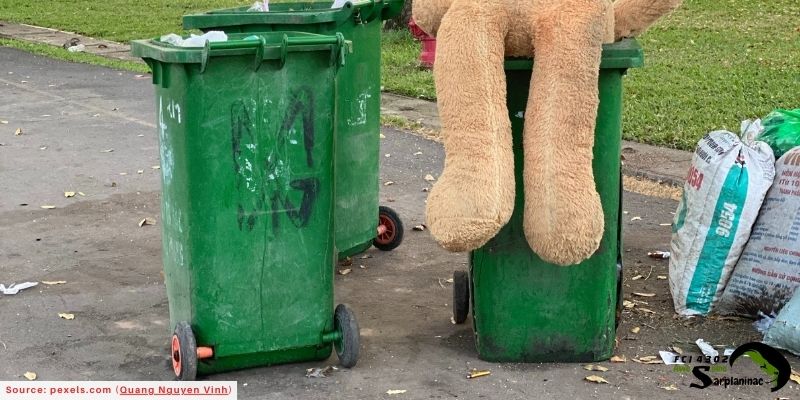
To the puppy, the trash can smells amazing, but it’s one of the most dangerous spots in your home. It’s where toxic food scraps, sharp cans, and chemical-soaked wipes all end up in one place.
A standard lid is rarely enough to stop the puppy from knocking the bin over and getting poisoned.
You need a heavy trash can that locks shut.
If you find the bin knocked over, check exactly what is missing and call the vet if the puppy ate any toxic food or packaging.
Garage and Shed: Deadly Chemicals
The garage is often the most dangerous part of the house for the puppy.
It’s where you keep sharp tools and toxic chemicals like fertilizers and paint, but the biggest threat is antifreeze.
Ethylene glycol has a sweet taste that attracts dogs, and even a tiny amount licked off the floor can be fatal.
Your best bet is to keep these areas completely off-limits.
If you must store chemicals there, use high, sealed shelves and always check the floor for leaks.

Outdoor Safety: Watching the Puppy
You shouldn’t leave the puppy unattended when they are outdoors. Even a fenced yard has hidden risks, from toxic garden plants to pesticides drifting over from a neighbor’s yard.
You just need to keep them in sight.
Check your fence line weekly for new gaps or places where the puppy has started digging.
Through a small hole under the fence, they can quickly end up in a busy street or a neighbor’s yard where they can get into real trouble.
If you’re too busy to keep an eye on them, use a secure outdoor pen.

Your Vet on Speed Dial
Even when you think you have everything under control, accidents can happen in seconds. When they do, panic is your biggest enemy.
You shouldn’t be googling “vet near me” while the puppy is shaking or vomiting.
Have your vet’s number and the address of the nearest 24-hour emergency animal hospital saved in the phone and pinned on the fridge for house-sitters.
In cases of suspected poisoning, every minute counts.
You need a professional to handle this, so never wait for symptoms to worsen before making the call.

How Does a Poisoned Sarplaninac Puppy Look?
I have always kept my guard up to protect my Sarplaninac puppies, but experience is a cruel teacher.
Looking back, the hardest years for my kennel were between 2008 and 2010, when I lost several puppies.
While I know mistakes were made, I cannot ignore the evidence that some of those puppies were poisoned by humans.
This dark realization taught me one thing: bad terms with neighbors puts a target on your dogs.
I have learned that open dialogue with the people next door is a key step to preventing trouble before it starts. If your dogs are barking and the neighbors get mad, you need to step in and talk it out before things go too far.
For many of us, these dogs are family, and suspecting that someone poisoned your pup on purpose will make you want to “start a war”.
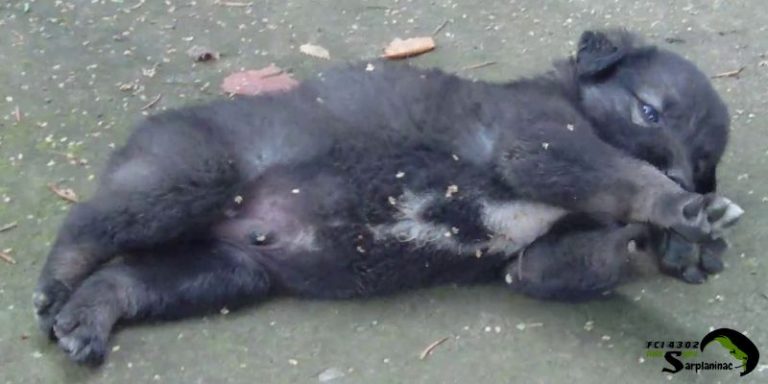
Below, I share an image of the Sarplaninac puppy that was poisoned to show what you are actually up against.

Recognizing symptoms like a bloated stomach, vomiting with blood, red or pink-swirled feces, and white foam at the mouth tells you it’s time to rush to the vet.
Conclusion
Locking one cabinet isn’t enough to protect the puppy from poison. You have to watch their habits and know exactly what is happening around your house.
Everything matters, from the food on your kitchen counter to how you get along with the people next door.
Locking away chemicals, checking the yard daily, and keeping the vet’s number ready is how you keep the puppy out of harm’s way.
Don’t wait for a “close call” to take action.
Sources:
- Human foods that are bad for dogs (more information).