
Is your dog crying at night because of hunger, drafts, or just to get your attention? You cannot know the real reason until you check if he is in pain or simply testing your patience.
When a new puppy is in a strange place or an older dog reacts to a noise near the fence, the howling is a signal that something is off.
Letting the dog out for every whimper rewards the habit, but ignoring one that is truly thirsty or freezing only makes the anxiety worse.
The goal is to find what is bothering your pet before the whole neighborhood loses sleep.
Here are some surprising reasons …
Is it Anxiety or Just Stress?
Moving to a new house or bringing home another pet makes the dog feel insecure.
Isolation is the main trigger. Being left alone can cause panic, even if the dog is already grown, because “being away from the pack” feels like a threat to their safety.
When the environment changes, your presence or a scent helps stop the howling.
Placing a familiar blanket in the crate or moving the bed closer to your room provides a sense of safety.
If the problem is not solved, get advice from a breeder, vet, trainer, or a friend who knows the breed.

Loneliness or Boredom
If the dog spends all day with people and is suddenly left alone at night, crying is a common reaction.
This isn’t always anxiety; sometimes it’s just boredom.
Provide chew toys or durable items that keep your pet occupied. This focus on chewing helps lower energy levels and makes being alone easier to handle.

Strange Noises
Dogs hear sounds you ignore. If a pup barks or howls at night, it is often reacting to noises inside the walls. Plumbing pipes, metal ducts, and nails creak and pop when the “house is quiet”.
To you, these are normal sounds, but for a furry friend, every crack sounds like an intruder.
Close the windows and leave a radio or TV on low volume. This sound drowns out the noise from the pipes so he can settle down and sleep.

Potty Breaks
House-trained dogs need frequent trips outside during the day to avoid holding it all night. If barking or crying happens at random times, a quick walk is usually necessary.
Take the dog out immediately after waking up and wait ten minutes. Once finished, a treat or praise reinforces the habit.
Never punish a mistake inside; simply improve the schedule and pay closer attention next time.
Dogs Can Warn You of Danger Ahead!
Protection of the pack is a natural instinct. If barking or howling starts suddenly, a real threat might be near.
When a calm dog suddenly won’t settle down, pay attention instead of ignoring the noise.
Every breed reacts differently. Some bark excessively or whine, while others try to hide.
If these warning signs happen, check the yard to see what is wrong.

Attention Seeking
Some dogs bark or howl simply to get noticed. If you go to your pup or give a treat whenever he is naughty, the habit will continue every night.
While it is tempting to respond to a cry, you are actually rewarding bad behavior.
To stop this, ensure the dog gets enough exercise during the day and ignore the noise at night.

Medical Issues
Injuries, infections, or joint pain keep the dog awake. If the crying sounds unusual, get a vet to check him for health issues right away.
Once the vet says he is healthy, provide him with a better place to sleep.
A quiet environment is necessary for rest.

Temperature
Extreme heat or cold prevents sleep. If the floor is freezing or the air is too humid, the barking and whining will continue throughout the night.
Move the dog bed away from cold drafts and heaters. During winter, add extra blankets to keep the spot warm.
In summertime, ensure the area is cool and well-ventilated so the pup can rest.
We mustn’t generalize things because every breed is a story about itself!

Let’s see what the science says …
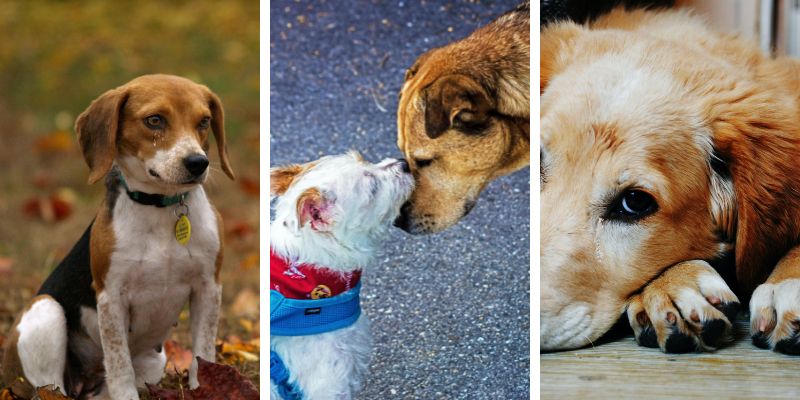
A study by researchers in Japan found that dogs produce tears when they are reunited with their owners. Sounds interesting?
This is the first report demonstrating that positive emotion stimulates tear secretion in a non-human animal, and that oxytocin functions in tear secretion,” the team said.[¹]
The study was published in the journal Current Biology.
Conclusion
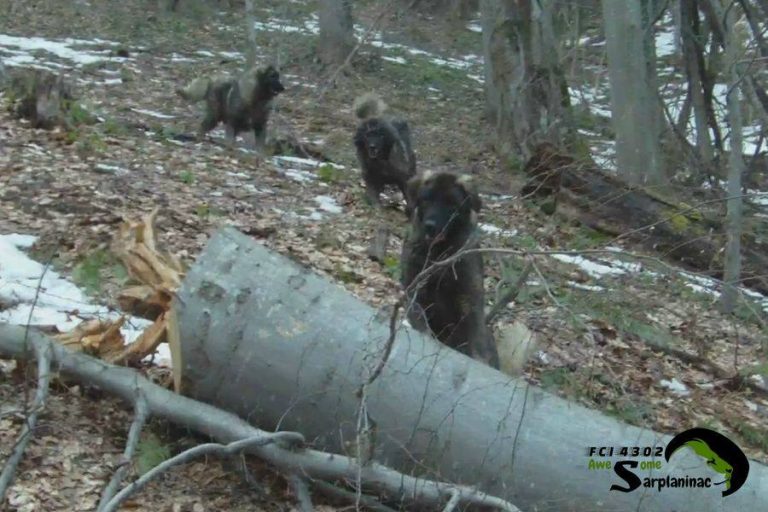
My Sarplaninac dogs sleep outside. They never bark or howl without a real reason! I remember during the 1999 bombing of Yugoslavia, they would start howling like wolves just before the planes arrived, giving us a clear warning every time.
Another interesting example is their encounter with jackals …
When the dog makes these sounds, there is always a cause. Whether it is a threat, pain, or the cold, you must find the reason instead of just forcing the dog to be quiet.