


I’ve always been amazed by how smart and curious puppies are. Watching them solve a new challenge always brings a smile to my face..
Most people stick to fetch or tug-of-war, but dogs need to use their instincts too.
You can tire them out and bond with your pup using a few simple games.
Playtime works best when their brain works as hard as their legs.
What are Puppy Brain Games?
Think of these as puzzles where the puppy gets rewarded for using their focus instead of just running.
While fetch is about speed, these games rely on scent and problem-solving.
You’re giving the pup a job to do.
Maybe they have to use their nose to find a hidden treat or figure out how to get a toy out of a box.
These games do a lot more than just tire them out. They build confidence and help the puppy learn to settle down.

Why Mental Stimulation Matters?
Just like people, puppies need more than just running to stay calm.
Mental challenges help a young dog build real confidence.
A bored puppy will always look for trouble, like chewing up shoes or barking at nothing.
Brain games are an easy way to burn off that extra energy and keep the puppy out of trouble.
Choosing the Right Games
Start with easy games and make them harder as the puppy grows.
The game should challenge them without making the puppy walk away.
Socialization is a huge part of this. Meeting new people or other dogs builds the confidence they need to stay relaxed around strangers.
For pups that learn quickly, give them a real test.
Making them work for a treat is the easiest way to tire them out.
Sniff and Seek: The Muffin Tin Game
This game gets the puppy using their nose right away. All you need is a muffin tin, some tennis balls, and a few high-value treats.
Drop the treats into the muffin cups and cover each one with a tennis ball.
The puppy just needs to push the balls aside to reach the treats.
This game keeps them busy until the “last treat” is found.
Hide and Seek
This is a classic game for a reason because puppies “love to hunt” for food.
Start by having the puppy sit and stay while you find a hiding spot for some treats.
Place the rewards around the house, making it a bit harder to find them each time.
Once everything is ready, give the command to start the search.

Puzzle Toys and Treat Dispensers
When you can’t play with them, puzzle toys and treat dispensers are perfect for keeping the puppy busy.
These toys require a bit of work (tilting, nudging, or chewing) before they release a treat.
Instead of just eating from a bowl, they have to move the toy to get every bite.

The Real Value of Teaching Tricks
Teaching tricks is about more than just showing off. It is an easy way to build a puppy’s confidence.
It teaches them to listen, watch, and learn exactly what you want.
Start with the basics like “sit” or “stay.” These simple commands make life with the dog much easier as he grows.
Once those are solid, moving to tricks like “roll over” or “shake” gives them a much bigger challenge.
Using treats keeps them eager to learn.
How to Fit Puppy Brain Games Into a Busy Day?
Brain games don’t take much time. Fifteen minutes will tire the puppy out faster than a long walk.
You can use these games during your normal routine, like playing hide and seek after a walk or using a puzzle feeder for dinner.
Changing the games ensures the puppy doesn’t get bored, which keeps them from looking for trouble.

Knowing When to Stop
While brain games are a good choice, it’s important to recognize when the puppy has had enough.
Pushing them too hard will just backfire.
Pay attention to behavior! If the puppy starts losing interest, gets restless, or walks away, it means they need a break.
A successful training is all about ending on a positive note, finding the right balance between a good challenge and much-needed rest.
Safety and Supervision
Always choose durable toys that match the puppy’s size so they don’t choke.
Watch them play so you can help if the game gets too hard.
If a puzzle is too complicated, the puppy will just walk away. You want them to have fun, not quit.

My Sarplaninac Puppies’ Playtime
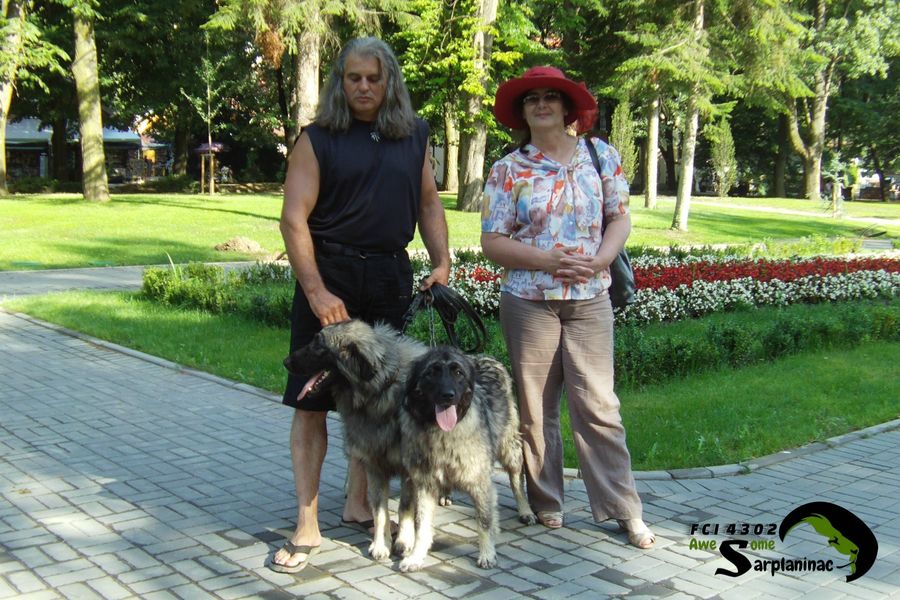
Socialization for my Sarplaninac puppies is never just a routine. I like to use different songs, strange objects, and hidden treats to build their confidence.
I plan to set up a miniature polygon made of cardboard boxes in the yard.
By hiding treats in specific spots and using music, I want to see how the pups use their instincts and stay steady when facing something new.
Conclusion
These challenges work for any dog, regardless of size or age, and they are one of the easiest ways to prevent destructive behavior.
Spending just fifteen minutes a day on these games builds a much stronger bond. I hope these ideas give you a good starting point for working with your dogs.
Keep an eye out for the new challenges on our YouTube channel!