


Bringing home a two-month-old puppy, and most people think about leashes and toys first. But what goes in the bowl does more for long-term health than anything else.
I want to make feeding decisions easier for you in those first weeks.
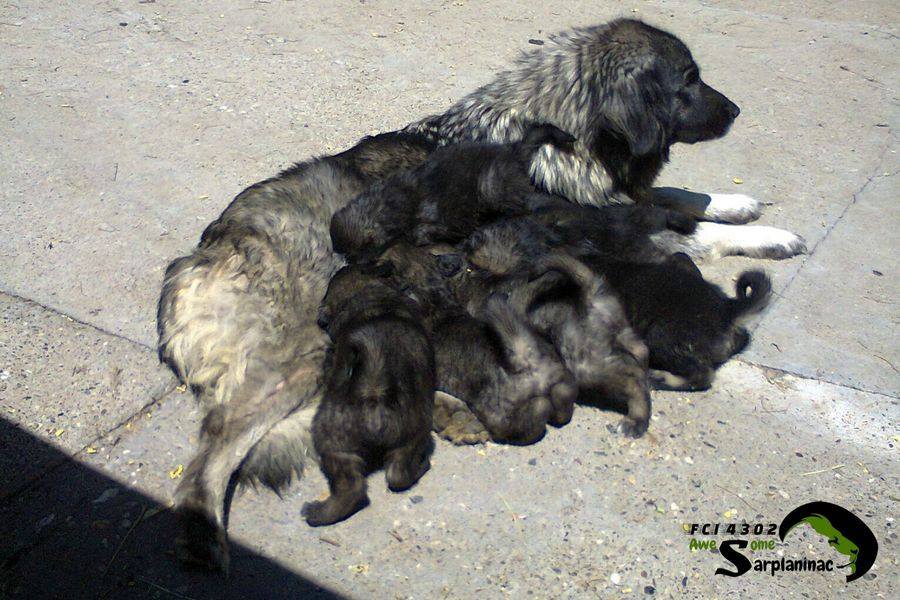
One thing to keep in mind: a puppy should stay with the mother and nurse for at least eight weeks. Mother’s milk gives the puppy something no kibble can match.
Maybe you just brought home a weaned pup, or you’re still waiting for that first arrival. I’m happy to share what worked for me and how I set up a healthy routine from day one.
Feeding Recommendations
The two-month-old puppy needs a diet that matches its weight and daily energy. Instead of two heavy portions, go with 3-4 small meals a day – it keeps the stomach from getting upset and keeps energy up through the day.
Every dog breed is a story of its own, so portions will need to change over time, but the feeding routine should stay the same.
Puppy-specific food is the right choice at this age. It has the extra protein and fat that bones and muscles need to grow right.
Getting that balance right now prevents long-term health problems once the puppy grows up.

Homemade Diet
Cooking at home gives you full control over the ingredients, but the balance has to be right to support a growing skeleton and immune system.
Calcium and phosphorus have to be spot on – any imbalance during growth leads to skeletal problems. A vet or certified nutritionist is the only one who can set the right proportions of protein, fat, and carbohydrates.
Ingredient quality matters just as much as the recipe. Human-grade meats and fresh produce are the way to go.
A personalized plan based on your pup’s current health makes sure they get exactly what they need.

Real Food Rewards vs. Processed Store Treats
When it comes to treats, I always go with real food. Store-bought puppy snacks are an option, but you have to pick carefully.
Most mass-market brands use preservatives and artificial additives to extend shelf life – ingredients that, in my opinion, do nothing for a growing puppy.
Stick to simple rewards like cooked chicken or fresh vegetables to avoid the hidden additives in most store-bought bags.
They work great for puppy training, but remember – they’re an addition to the meal, not a replacement for it.
Keep treats under 10% of daily calories – anything more and you risk throwing off the whole feeding routine.
Feeding Tips for 2-Month-Old Sarplaninac Puppies
Everything I’m sharing here comes from years of living with Sarplaninac dogs. Take it as a general recommendation, not an official guide.
Cooked minced meat is a good starting point for a puppy’s digestive system. For a raw option, minced beef is the right choice.
I recommend meat from young cattle under 2 years old, weighing up to 450 kg – it’s a good protein source for a young pup.
If you go with kibble, mix in a bit of plain yogurt for added nutrition and taste.
Rice, cornmeal, boiled semolina, and crushed bread can all go in the bowl, but meat has to stay the main part of every meal.
One rule: no boiled fish at this age! The tiny bones are nearly impossible to fully remove, and if the puppy swallows one, the results can be fatal.
How Often Should I Feed 2-Month-Old Puppy?
From our experience, three meals a day works best between 2 and 6 months. It keeps the puppy fed through the day without upsetting the stomach.
After six months, you can move to two meals a day.

When Should Puppy Start Eating Solid Food?
From my experience, solid food comes in around 3 to 4 weeks of age. That’s when puppies begin showing interest in what’s beyond their mother’s milk.
The move to solid food has to be gradual. By 7 to 8 weeks, the weaning process should be done.
At that point, the litter is ready to rely on solid food as the main source of nutrition.
Bringing New Puppy Home: The First Steps
When bringing a 2-month-old puppy home, whether from a breeder or a shelter, stick with the same food for the first 1 to 2 weeks.
Moving is stressful, and keeping the diet the same prevents diarrhea and vomiting while the puppy gets used to the new place.
After that, switch to a new diet slowly over the next 14 days. Watch how the puppy reacts to new ingredients during this time.
Switching slowly gives the digestive system time to get used to the new food and keeps the feeding routine on track.
Useful Tips
Keeping a proper routine matters just as much as the quality of the food. Here are a few key points to follow:
- Stick to a schedule: Feed at the same times every day. It helps digestion and the metabolism stays in check.
- Smaller portions: Puppies can’t eat large amounts at once. Three balanced meals a day, evenly spaced, gives them enough energy to grow without bloating or overeating.
- New foods slowly: Any diet change should be slow to avoid stomach problems.
- Quiet feeding area: A calm spot lets the puppy eat without distractions or stress.
- Stay present: Always be there while the puppy eats and keep an eye on appetite.
- Fresh water: Clean water has to be available at all times. Change it often.
- Watch weight and growth: Overfeeding and underfeeding both cause growth problems.
- Meal timing: Morning, afternoon, and evening — same times every day builds a routine.
Conclusion
I wrote this to help you get the diet right from day one. As the puppy’s owner, feeding the right meal for their age and size is the most important thing you can do.
Follow these steps and you give the puppy the best shot at growing up healthy.
Keep in mind that hip dysplasia isn’t always just genetics. It’s often caused by things we can control – being overweight, too much training, or a high-calorie diet that pushes the bones to grow too fast.
What goes in the bowl today decides how well the “dog moves” for the rest of its life.


