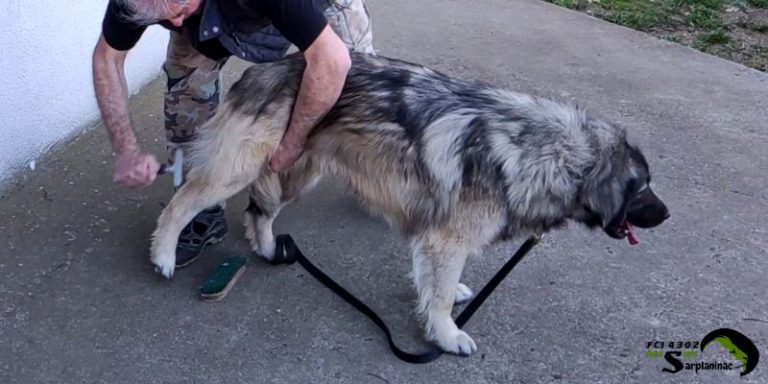


Once the fight is over and the cat is dead, get the dog away first. Check his head closely and feel through his fur for any small nicks, scratches, or bite marks.
Cat claws are thin and carry bacteria that cause fast, painful infections under a dog’s skin, so finding these tiny puncture wounds early stops the area from swelling or turning into a deep infection.
This is about protecting your dog’s health first and knowing exactly what to do before you’re facing police reports or lawsuits from neighbors.
Dogs and Cats – Understanding the Attack
When the dog catches the cat, it usually comes down to prey drive or protecting his territory. For many breeds (from Terriers and Sighthounds to large Guardians) a fast-moving target triggers an immediate chase.
This isn’t just a “lack of socialization” – it’s pure instinct, and it’s almost impossible to stop once the dog locks in.
Preventing another attack isn’t about “understanding feelings” – it comes down to solid fences, locked gates, and a strong leash.
You must stop the next attack by keeping them apart.

Stay Calm
Once the attack is over, stay calm – screaming, panicking, or hitting the dog only adds fuel to the fire.
The dog in “hunt mode” or territorial defense is running on pure adrenaline. Extra noise can trigger him to grip harder or turn that aggression on you or anyone nearby.
Keep a clear head to check for injuries. Grab the leash, move the dog away, and only then deal with the rest.

Get the Dog Out of Sight
Right after the attack, get the dog out of there.
Don’t stop to “see if the cat is okay” while holding the dog that’s struggling to turn back. If you are in the yard, put him in a kennel, a crate, or inside the house.
If you are on the street, shorten the leash and move him around the corner or behind a car.
The goal is breaking line of sight. As long as the dog can see the cat, his adrenaline stays sky-high and he’ll keep trying to finish the hunt.

Call a Vet
If the cat is alive, wrap her in a heavy towel. She needs a vet right away for internal injuries you can’t see.
Put her in a carrier and head to the nearest vet right away. If she’s dead, get her out of the dog’s sight.
Now, check the dog for tiny claw punctures. A cat’s claws are like “dirty needles” that push dirt and bacteria deep under the skin.
If the skin starts to feel hot or swell up, you need the vet.

Report the Incident
Call animal control, the police, or local authorities. You need an official record of what happened.
If the cat owner decides to sue or demand money later, that official report is your only protection.
Write down the exact date, time, and location. If anyone saw the fight, get their phone numbers right there on the spot (people forget details or change their minds about getting involved).
A formal report isn’t about “justice” – it’s about having a paper trail that proves you took responsibility and followed the law.

Can a Sarplaninac Dog Kill a Cat?
My dad and I discussed this, and he thinks it’s unlikely. With their agility, speed, and sharp claws, cats are usually smart enough to stay safe in open spaces like yards or parks.
However, inside an apartment, jealousy or food guarding can trigger a sudden fight.
The real question is: Is your dog a true Sarplaninac? These dogs are known to be non-aggressive towards those weaker than themselves and only bark when there’s a real reason.
That’s why it’s important to have a balanced dog by your side.
Conclusion
This is something no dog owner ever wants to go through. It’s a tough blow to see your dog in this light, and it takes time to understand what happened.
Thank God, so far none of my dogs have ever badly hurt a cat!
What is the hardest part of dealing with your dog’s drive? Share your story in the comments so we can help each other prevent these tragedies.